

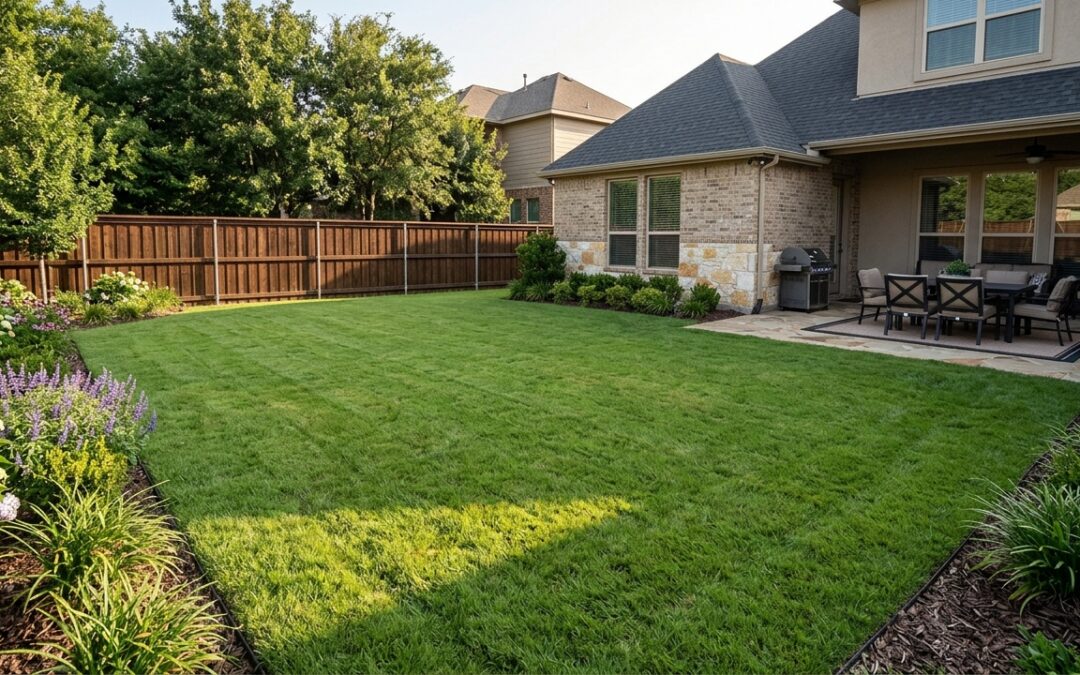
A welcoming lawn can make an ordinary backyard feel like an extension of the home. It provides space for children to play, friends to gather, outdoor meals to unfold, and quiet evenings to become part of the daily routine. For homeowners in Frisco, Texas, creating a lawn that looks attractive while standing up to regular use requires more than choosing green grass. Soil conditions, drainage, sunlight, installation timing, and ongoing care all influence how well a new lawn develops.
Sod Installation offers a practical way to establish an instant green surface without waiting for grass seed to germinate and fill in. However, the appearance on installation day is only the beginning. The real goal is to create a lawn that develops strong roots, handles ordinary household activity, and remains comfortable and attractive through changing weather.
With thoughtful preparation and realistic expectations, homeowners can make better decisions about their outdoor spaces. Understanding the process before work begins helps reduce avoidable problems and creates a more dependable foundation for family gatherings and everyday enjoyment.
Start With How Your Family Will Use the Yard
Before selecting grass or preparing the ground, consider how the finished lawn should function. A backyard designed mainly for relaxing may have different requirements from one used for outdoor games, pets, and frequent gatherings.
For example, a family that regularly hosts weekend cookouts might need an open seating area near the house, clear walking routes, and enough room for guests to move comfortably. A household with young children may prioritize a durable play area, while homeowners who enjoy gardening might prefer to reserve part of the yard for planting beds.
These activities should influence the layout before installation begins. Placing a patio, garden border, or walkway after the grass is established can disturb new turf and create unnecessary repair work.
Consider how people will move between the back door, seating areas, gates, and other outdoor features. A sensible layout keeps the main lawn open while directing frequent foot traffic away from vulnerable edges. It also helps prevent furniture, outdoor equipment, and play structures from crowding the available grass.
Planning around actual household habits makes the lawn more useful. Rather than designing solely for photographs, homeowners can create an outdoor environment that supports the activities they enjoy throughout the year.
Prepare the Ground Before Bringing in New Grass
A smooth, healthy lawn begins beneath the visible grass. Even high-quality turf can struggle when installed over compacted soil, uneven ground, or an area where water collects after rain.
Site preparation should begin with an inspection of the existing yard. Look for low spots, exposed roots, construction debris, hard soil, and areas where previous grass has repeatedly failed. Notice whether rainwater flows toward the house, pools near fences, or disappears unevenly across the property.
The ground should be cleared of unwanted vegetation and debris before the soil is prepared. Depending on its condition, the area may require loosening, grading, or suitable soil amendments. These decisions should be based on actual soil conditions rather than assumptions that every yard needs the same treatment.
Three essential preparation priorities
A successful preparation process focuses on the following tasks:
- Correct the grade: Establish a suitable surface that directs water away from the home’s foundation and prevents unnecessary depressions. Avoid changing drainage patterns in ways that send water onto neighboring properties.
- Address compacted soil: Loosen dense areas where appropriate so roots can penetrate the soil and water can move through it more effectively. Heavy equipment and repeated foot traffic can make this step particularly important.
- Create a consistent planting surface: Remove stones, debris, and unwanted vegetation, then level the soil carefully. A reasonably even surface helps the finished lawn look natural and makes mowing easier later.
Preparation should not be rushed simply because the grass itself can be laid quickly. If drainage is a persistent problem, correcting the underlying cause before installing turf is generally more effective than expecting the new lawn to solve it.
Choose Grass That Matches the Property
The best grass for a particular backyard depends on sunlight, soil, irrigation, maintenance expectations, and intended use. In Frisco, warm-season grasses are commonly considered because they are suited to the region’s hot summers, although their performance varies with site conditions and care.
Bermudagrass is often considered for sunny, active lawns because many varieties recover well from wear when properly maintained. It generally performs best with substantial sunlight and may struggle in heavily shaded areas. Zoysiagrass can be another option for homeowners seeking a dense lawn, but its growth and recovery characteristics differ by variety. St. Augustinegrass may suit certain residential locations with partial shade, although it has its own limitations and maintenance needs.
The right selection should reflect the specific yard rather than a general preference for one grass type. A sunny central lawn and a shaded strip beneath mature trees may have very different requirements. In some cases, trimming selected branches, adjusting the layout, or using another ground-cover solution in a difficult spot may be more practical than expecting grass to thrive where conditions are unsuitable.
Ask about the variety being supplied, its recommended mowing height, sunlight requirements, water needs, and ability to tolerate foot traffic. These details help homeowners understand what the lawn will need after installation.
Schedule the Project Around Weather and Household Plans
Timing affects both the installation process and the period when the lawn needs protection. Grass generally establishes more successfully when temperatures and growing conditions support active root development. For warm-season turf in North Texas, the active growing season is often a useful starting point for planning, but the appropriate window depends on the grass variety and current conditions.
Frisco summers can bring high temperatures and rapid moisture loss. Fresh turf may therefore require careful watering during hot weather, especially when rain is limited. Cooler periods can reduce some heat-related pressures, although conditions must still support the selected grass’s establishment.
Household schedules matter, too. Installing a lawn immediately before a large gathering may create unnecessary stress if guests walk across the turf before roots have developed. Consider whether the family can temporarily use another entrance, keep children away from the new grass, and follow a consistent watering schedule.
A practical planning timeline
A useful project schedule includes the following stages:
- Several weeks beforehand: Assess drainage, sunlight, access routes, lawn dimensions, and any repairs needed around irrigation or outdoor structures.
- Shortly before installation: Finalize the grass selection, prepare the ground, arrange delivery, and confirm that water is available throughout the establishment period.
- During the first few weeks afterward: Follow the recommended watering routine, monitor rooting progress, and postpone heavy activity until the turf is sufficiently established.
This sequence allows homeowners to coordinate the project with family commitments instead of treating installation as an isolated landscaping task.
Understanding What Different Stages Require
Every stage of establishing a lawn has a different purpose. Knowing what to expect helps homeowners distinguish normal settling from problems that need attention.
| Project stage | Main priority | What homeowners should monitor |
|---|---|---|
| Site assessment | Identify drainage, shade, and soil concerns | Standing water, compacted areas, and difficult growing conditions |
| Ground preparation | Create a suitable, even planting surface | Low spots, exposed debris, and proper grading |
| Turf placement | Establish close contact between roots and soil | Open seams, lifted corners, and uneven edges |
| Early establishment | Maintain adequate moisture | Dry patches, excessive saturation, and signs of stress |
| Root development | Encourage attachment to the soil | Resistance when gently checking a suitable edge |
| Routine maintenance | Support healthy growth and durability | Mowing height, irrigation needs, weeds, and worn areas |
The timeline is not identical for every yard. Soil type, weather, grass variety, and installation quality all influence progress. A calendar alone should not determine when the lawn is ready for regular use.
Install the Turf With Attention to Detail
Once the site is ready, the turf needs to be placed carefully. Sod Installation is not simply a matter of covering bare ground with pieces of grass; the positioning and contact between the turf and prepared soil influence how well the roots establish.
Fresh pieces should be laid closely together, with staggered seams where practical. Large gaps can dry out, while overlapping edges may create raised sections that are difficult to mow. Curved borders and planting beds require accurate cutting so the finished lawn fits the planned layout without unnecessary scraps.
The underlying soil should provide consistent support. If a piece rests over a hollow, the roots may have difficulty contacting the soil beneath it. Similarly, working repeatedly over wet or soft ground can leave footprints, ruts, or compressed areas that affect the final appearance.
Watering should begin according to the installation plan, taking care to moisten the root zone rather than relying only on the visible surface. Newly placed turf can lose moisture quickly, but keeping the ground continually saturated may also cause problems. The appropriate balance depends on drainage, weather, and the condition of the soil.
Homeowners should also check that sprinkler coverage reaches the entire lawn. A system that waters the center effectively but misses corners along a fence can create uneven establishment from the beginning.
Protect the Lawn While Roots Develop
A newly green yard can look ready for use almost immediately, but appearance does not confirm that the roots have attached securely. The first several weeks require attention because the turf is adapting to its new growing environment.
Follow a watering schedule appropriate for the weather and soil. In warm, dry conditions, more frequent checks may be necessary than during mild, cloudy periods. Sandy soil generally drains more quickly than heavier clay soil, while areas with poor drainage may remain wet longer than expected.
Look for changes in color, curling blades, dry seams, and sections that seem loose. These signs can indicate moisture problems or poor contact with the soil. Adjusting care early is usually easier than repairing large areas after they deteriorate.
Everyday habits that help protect new turf
A few temporary changes can make the establishment period more manageable:
- Limit unnecessary walking: Use established paths where possible and keep children, pets, and guests off vulnerable areas until the grass is firmly rooted.
- Inspect irrigation coverage: Check edges, corners, and sunny sections rather than assuming the entire yard receives equal moisture.
- Avoid premature mowing: Wait until the grass has established sufficiently and follow the recommended mowing height for the selected variety. Never remove more leaf material than appropriate for that grass.
These precautions do not need to last forever. They simply give the roots time to develop before the lawn faces the demands of ordinary household activity.
Make the Lawn Ready for Gatherings
Once the turf has established, the yard can gradually return to its intended role as a shared outdoor space. The most useful improvements are often those that combine comfort with sensible lawn protection.
Place dining furniture on a patio or another stable surface when possible. Concentrating chair legs and table weight on the grass can damage wet or vulnerable areas, particularly when people repeatedly move furniture for different activities.
For larger gatherings, think about where guests will stand, walk, and gather around food. A clear route between the house and seating area reduces repeated traffic through the same narrow strip of grass. If the yard regularly hosts parties, a stepping-stone path or expanded hardscape may be more practical than expecting every section of the lawn to withstand constant use.
Children’s play areas also benefit from thoughtful positioning. Keep enough open space for movement and avoid placing equipment where drainage problems or roots could create uneven surfaces. Inspect the area periodically for holes, exposed irrigation components, and other hazards.
A lawn can contribute to an inviting outdoor environment without serving as the surface for every activity. Combining grass with paths, planting beds, and designated seating areas helps distribute use more effectively.
Maintain the Lawn Beyond the Establishment Period
Long-term appearance depends on consistent care rather than occasional intensive attention. Once the roots have developed, regular mowing, suitable irrigation, and seasonal observation help the grass remain healthy.
Mowing height should match the selected grass variety. Cutting too low can weaken the lawn and expose the soil, while allowing grass to become excessively tall before cutting may produce uneven results. Sharp mower blades generally create cleaner cuts than dull ones.
Water deeply enough to support the root zone when irrigation is needed, while accounting for rainfall, soil drainage, and current weather. Watering early in the morning can reduce avoidable evaporation and give grass blades time to dry during the day. Follow local watering requirements and check that irrigation does not run onto sidewalks or streets.
Fertilizer should be selected and applied according to the grass type, season, and soil needs. More fertilizer is not automatically better; excessive application can damage turf and contribute to nutrient runoff. A soil test can help identify deficiencies before amendments are added.
Sod Installation provides the starting point for the lawn, but routine observation helps maintain that initial investment. Watch for thinning, persistent weeds, unusual discoloration, and areas that remain wet. These symptoms may reflect different underlying causes, so avoid treating every problem with the same product or watering adjustment.
Frequently Asked Questions
How long does a newly installed lawn take to establish?
The time varies according to the grass variety, temperature, soil conditions, and care. Many lawns begin developing stronger root connections over the first few weeks, but complete establishment can take longer. Check rooting progress and follow the installer’s guidance before allowing normal traffic.
When can children and pets use the new lawn?
Wait until the turf is firmly rooted and can tolerate ordinary movement without shifting or lifting. The timing depends on growing conditions and the grass type. Pets should also be kept away while the lawn is vulnerable to digging, concentrated wear, or repeated running.
Which grass is suitable for a Frisco backyard?
The choice depends on sunlight, soil, irrigation, and how heavily the lawn will be used. Bermudagrass often suits sunny, active areas, while zoysiagrass and St. Augustinegrass may fit other conditions. Evaluate the actual site before selecting a variety.
How should new turf be watered?
Keep the root zone adequately moist during early establishment, adjusting the frequency to temperature, rainfall, drainage, and soil type. Avoid letting the turf dry out completely, but do not leave the ground persistently saturated. Follow the watering instructions provided for the specific grass and installation.
Can a new lawn be installed before a family event?
It is generally better to schedule installation well before a major gathering. Fresh turf needs time to establish roots, and heavy foot traffic can disturb it. If the event date cannot change, consider postponing the project or limiting access to the newly installed area.
Conclusion
A lawn designed for family gatherings and everyday use begins with a clear understanding of how the outdoor space needs to function. Careful site assessment, suitable grass selection, sound soil preparation, and thoughtful scheduling help create conditions for successful establishment.
For Frisco homeowners, weather awareness and a practical maintenance routine are particularly important. Protecting the turf while roots develop, providing appropriate moisture, and directing heavy activity toward suitable surfaces can reduce avoidable damage and improve the lawn’s long-term usefulness.
Sod Installation is most effective when the work extends beyond laying fresh grass. By planning for the needs of the property and the people who use it, homeowners can create an outdoor space that feels welcoming, remains manageable, and supports everything from quiet evenings to memorable family gatherings.