

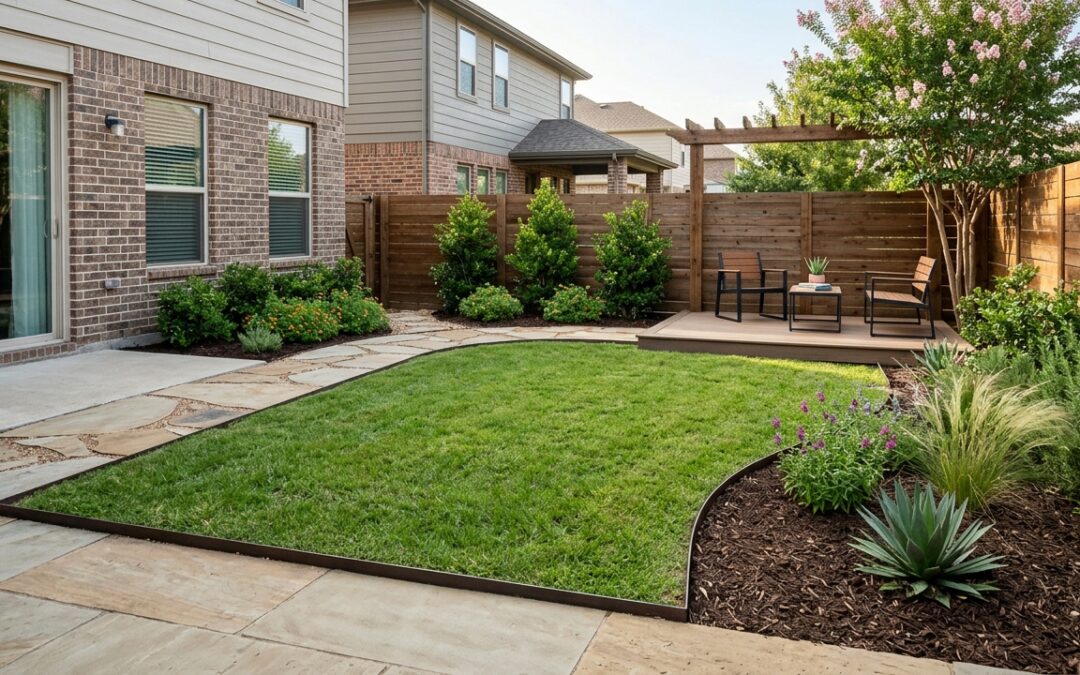
A small yard can be attractive, comfortable, and functional without requiring hours of weekly upkeep. However, crowded planting beds, awkward lawn shapes, overgrown shrubs, and poorly planned walkways can turn even a compact outdoor space into a demanding project. The solution is not necessarily a complete landscape redesign. A few thoughtful adjustments can make routine care simpler while improving the appearance and usability of the property.
For homeowners considering yard maintenance dallas, the key is to plan around local growing conditions, available time, and the way the outdoor space is used. Dallas summers can bring intense heat, while seasonal storms and changing temperatures create different maintenance needs throughout the year. A practical layout, appropriate plant choices, and consistent care routines can help keep a yard looking organized without adding unnecessary work.
Start by Identifying the Biggest Maintenance Problems
Before making changes, observe which parts of the yard consume the most time. Perhaps grass is difficult to mow around decorative borders, weeds repeatedly appear in planting beds, or shrubs grow over the walkway. Identifying these recurring problems helps homeowners focus on improvements that offer lasting convenience.
A small yard benefits from simplicity. Every additional planting bed, narrow corner, decorative feature, or isolated patch of grass can introduce another task. Simplifying the layout makes routine mowing, trimming, watering, and cleanup easier to manage.
Prioritize Changes That Save Time
Rather than changing everything at once, begin with the areas that create the most work.
- Simplify lawn edges: Straightforward borders are easier to trim than complicated curves and narrow sections.
- Reduce unnecessary obstacles: Relocate movable decorations and planters that interrupt mowing or sweeping.
- Organize planting beds: Group compatible plants together to make watering, pruning, and weeding more efficient.
These adjustments can improve the yard’s appearance while reducing repetitive maintenance. They also make it easier to establish a routine that remains manageable during busy weeks.
Choose a Layout That Works With Your Space
The shape of a yard influences how easily it can be maintained. Irregular lawn sections, tightly packed garden beds, and inaccessible corners often require extra attention. A more deliberate arrangement can reduce the number of separate tasks involved in ordinary outdoor care.
For example, a narrow backyard may work better with one clearly defined lawn area and a single planting bed along the fence. This arrangement creates a cleaner visual boundary and makes mowing more straightforward. In a small front yard, a simple walkway bordered by compact shrubs can provide structure without filling every available space.
Homeowners planning yard maintenance dallas should also consider drainage and water movement before changing lawn levels, adding edging, or installing new hard surfaces. Directing runoff toward a neighboring property or blocking an existing drainage path can create problems. When drainage is uncertain, professional guidance can help prevent expensive corrections later.
Select Plants That Match Local Conditions
Plant selection has a significant effect on long-term upkeep. A plant that grows too large for its location may require frequent pruning, while a species poorly suited to the site’s sunlight or soil conditions may struggle and need replacement.
Dallas landscapes can experience hot summers, variable rainfall, and occasional winter freezes. Choosing plants suited to the specific location can help reduce avoidable maintenance, although no plant is entirely maintenance-free.
Build a Practical Planting Plan
- Match plants to sunlight: Check whether each area receives full sun, partial shade, or mostly shade before selecting plants.
- Consider mature size: Leave enough room for shrubs and ornamental plants to reach their expected size without blocking paths or windows.
- Group plants by water needs: Place plants with similar watering requirements together to simplify irrigation.
Native and regionally adapted plants may be useful choices when their growing requirements match the site. However, suitability still depends on drainage, soil, exposure, and available space. A local nursery or landscaping professional can help identify appropriate options.
Reduce the Amount of Difficult Lawn to Maintain
Grass can provide an open, usable surface, but small lawns with numerous corners and obstacles may require disproportionate effort. Before removing grass, consider whether each section has a practical purpose. A play area, seating space, or clear path may justify keeping lawn, while an awkward strip beside a fence may be better suited to a planting bed.
Ground covers, mulch, and suitable hardscaping can reduce mowing in selected areas. Each alternative has its own upkeep requirements, so the goal should be to replace difficult maintenance with simpler maintenance rather than assume a surface needs no care.
For homeowners exploring yard maintenance dallas, the best approach is often a balanced layout with enough lawn for everyday use and fewer awkward sections around its edges.
Compare Common Yard Improvements
| Yard improvement | Main maintenance advantage | Important consideration |
|---|---|---|
| Simplified lawn shape | Easier mowing and edging | Preserve useful lawn space |
| Mulched planting beds | Helps suppress weeds and conserve moisture | Keep mulch away from plant stems |
| Appropriately sized shrubs | Reduces repeated pruning | Allow room for mature growth |
| Defined walkways | Makes access and cleanup easier | Maintain safe, stable surfaces |
| Drip irrigation | Delivers water near plant roots | Inspect emitters and connections |
Make Watering More Efficient
Watering can become a major task when plants are scattered across the yard and have different moisture requirements. A more organized planting plan can simplify irrigation and help avoid unnecessary watering.
Check soil moisture before adding water, particularly after rainfall. Watering needs vary according to plant type, soil, exposure, and weather, so a fixed schedule may not always be appropriate. Where suitable, drip irrigation can deliver water directly to planting beds and reduce the need to move a hose between individual plants.
Inspect irrigation equipment periodically for leaks, blocked emitters, and misplaced spray patterns. Sprinklers should not routinely soak walkways or direct excessive water onto buildings. These small checks can help prevent waste while keeping plants healthier.
Create a Routine for Seasonal Yard Care
A simple maintenance schedule is easier to follow than a long list of occasional chores. Divide tasks according to how frequently they are needed and adjust the plan as conditions change.
Establish a Repeatable Weekly Routine
- Inspect the yard: Look for weeds, fallen branches, blocked drains, and visible plant stress.
- Handle routine trimming: Edge the lawn, remove spent flowers where appropriate, and address growth before it becomes difficult to manage.
- Keep surfaces clear: Sweep paths, collect debris, and check that entrances and seating areas remain usable.
These tasks can be adjusted to suit the size of the property and the season. During periods of rapid growth, lawn care may need more attention. After storms, clearing debris and checking drainage may take priority. During extreme heat, monitor plants for signs of stress and water according to their needs.
Consistent attention also helps homeowners notice developing problems early. A small weed patch is easier to address than a heavily overgrown bed, and a loose branch can be removed before it becomes a larger concern.
Use Mulch and Edging Carefully
Mulch can make planting beds look more organized and help moderate soil moisture. It may also reduce weed growth when applied correctly. However, excessive mulch can retain too much moisture around stems or trunks, so application should be appropriate for the material and plants.
Edging creates a clear separation between lawn and planting areas. This can make mowing and trimming easier, particularly when the border is accessible and uncomplicated. Choose edging that fits the layout without introducing sharp corners or obstacles that complicate equipment use.
For yard maintenance dallas, these small finishing details can help a compact property look intentional while making regular cleanup more predictable.
Know When Professional Help Makes Sense
Some improvements are straightforward enough to complete gradually, while others require specialized equipment or experience. Regrading soil, modifying drainage, removing large trees, and installing substantial hardscaping may involve safety concerns or technical considerations.
Professional assistance can also be useful when a yard repeatedly develops bare lawn patches, persistent drainage issues, or plant problems that do not improve with routine care. A professional can assess whether the cause relates to soil, sunlight, irrigation, plant selection, or another site condition.
Homeowners do not necessarily need to outsource every task. They can handle routine sweeping, light weeding, and basic inspections while arranging help for more demanding seasonal work. The most useful plan is one that fits the property’s needs, the available budget, and the time the household can realistically commit.
Frequently Asked Questions
What is the easiest way to make a small yard simpler to maintain?
Start by reducing unnecessary obstacles, simplifying lawn edges, and organizing planting beds. Addressing the tasks that consume the most time usually provides the clearest improvement.
Which plants are suitable for Dallas yards?
Suitable plants depend on sunlight, soil, drainage, and available space. Native and regionally adapted varieties can be good starting points when their growing requirements match the site.
Does mulch eliminate the need for weeding?
No. Mulch can help suppress weeds, but some weeds may still emerge. Periodic inspections and timely removal remain important.
How often should a small yard be maintained?
Basic inspections can take place weekly, while mowing, watering, pruning, and seasonal cleanup should follow actual growth and weather conditions.
When should homeowners seek professional yard care?
Professional help is worth considering for drainage problems, major tree work, substantial landscape changes, or recurring issues that routine maintenance does not resolve.
Conclusion
An easier-to-maintain yard begins with practical decisions rather than a complete redesign. Simplifying the layout, choosing suitable plants, reducing awkward lawn sections, improving watering practices, and following a consistent schedule can make outdoor care more manageable.
With a thoughtful approach to yard maintenance dallas, homeowners can create a cleaner, more functional outdoor space that suits their routines and local conditions. The most successful improvements are those that reduce unnecessary work while preserving the features that make the yard enjoyable.