

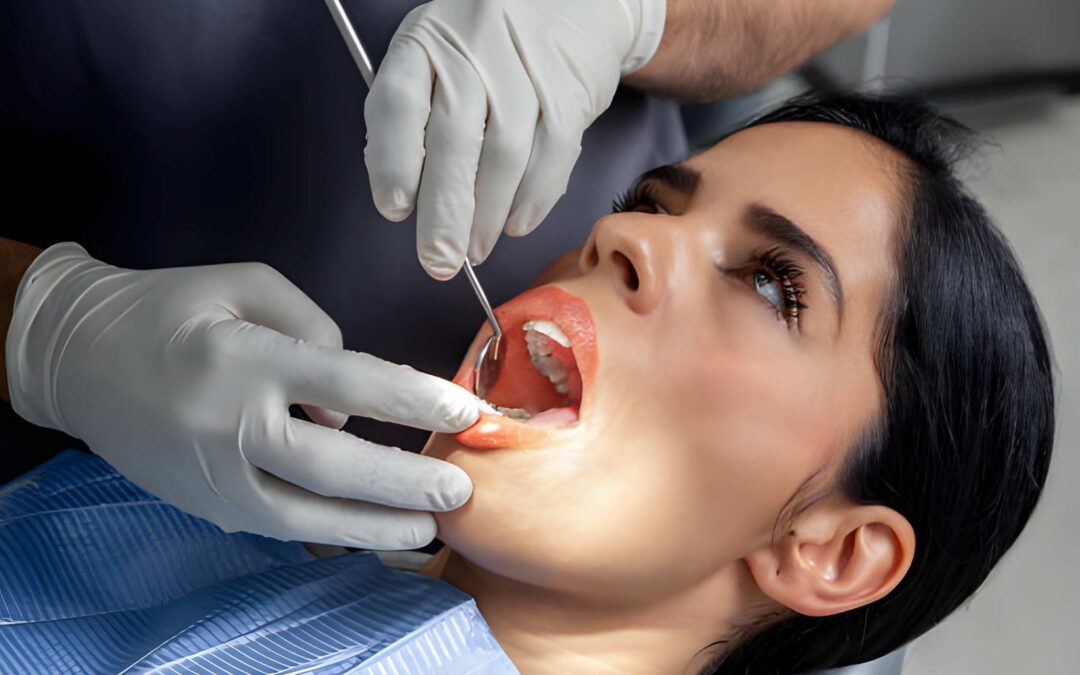
When a tooth hurts badly or breaks, you do not want marketing. You want to know whether this can wait, what to do in the next hour, and who to call. The reasoning behind each answer so you can check it against your own situation. It makes no promises about outcomes, because the right treatment depends on an examination.
What Counts as a Dental Emergency
An Emergency Dentist in Johar Town is a problem that needs prompt professional attention to relieve severe symptoms, prevent an infection from spreading, or improve the chance of saving a tooth. Typical examples include:
- severe, persistent toothache, especially pain that keeps you awake
- a tooth knocked out or badly loosened by an injury
- a broken tooth with sharp edges, or one that exposes the inner part
- swelling of the gum, face or jaw
- bleeding from the mouth that does not slow with gentle pressure
- a lost filling or crown that leaves a tooth painful or exposed
Other problems are uncomfortable but less time-critical, such as mild sensitivity, a small chip without pain, or a stained tooth. These still deserve an appointment, but usually not an urgent one.
Signs That Mean Go to a Hospital First
Some symptoms point to a spreading infection or another serious problem that a dental clinic alone may not be able to manage. Seek emergency medical care right away if a dental problem comes with:
- difficulty breathing or swallowing
- swelling that is spreading to the neck, eye or floor of the mouth
- a high fever together with facial swelling
- a head or jaw injury with confusion, repeated vomiting or loss of consciousness
The reasoning is simple: infections in the head and neck can progress quickly in some people. A clinic can treat the tooth, but airway and systemic safety come first.
What You Can Do Before You Reach a Dentist
These steps are widely recommended as short-term measures. They are not a substitute for treatment.
Toothache. Rinse gently with warm water, and floss carefully to remove trapped food. A cold compress on the outside of the cheek may ease discomfort. Follow the label if you use over-the-counter pain relief, and check with a pharmacist if you have other conditions or take other medicines. Avoid placing aspirin directly on the gum, since it can irritate the tissue.
Knocked-out adult tooth. Time matters here. Handle the tooth by the crown, not the root. If it is dirty, rinse briefly with water without scrubbing. If you can, place it back in the socket and hold it there. Otherwise, keep it in milk, or in your cheek if you are old enough to avoid swallowing it, and get to a dentist as quickly as you can. Treatment is more likely to help when it happens soon, but no clinic can guarantee that a tooth will survive. Do not try to reinsert a baby tooth.
Broken tooth. Rinse your mouth, save any fragments, and use a cold compress for swelling. Avoid chewing on that side.
Bleeding. Press gently with clean gauze or a cloth for several minutes. If bleeding does not stop, seek care urgently.
What an Emergency Visit Usually Involves
An emergency appointment usually focuses on three things: finding the cause, relieving the immediate problem and planning what comes next. Expect questions about your pain, your medical history, and any medicines you take. The dentist will examine the area and may take an X-ray if it will change the decision.
Emergency treatment is often temporary or partial. For example, a dentist may drain an infection, smooth a sharp edge, place a temporary filling or begin a root canal, then schedule further visits. If someone promises a complete, permanent fix in a single visit before examining you, ask them to explain why.
How to Choose a Clinic Before You Need One
Emergencies are stressful, and it is easier to decide calmly in advance. Ask about:
- Hours and availability. Does the clinic accept same-day urgent patients, and when? Do not assume round-the-clock service unless it is stated.
- Contact method. Can you phone and describe your symptoms to get advice on urgency?
- Costs. Will you receive an estimate before treatment begins?
- Follow-up. What happens after the emergency visit?
About Elora Dental and Aesthetics
Elora Dental and Aesthetics is a dental and aesthetic clinic in Johar Town, Lahore. We make no claim to be the fastest or best emergency option in the city, since that cannot be fairly proven. Please call the clinic to confirm current opening hours, whether same-day urgent appointments are available, and what an initial assessment covers. If your symptoms match the hospital warning signs above, go to an emergency department first.
Conclusion
An emergency dentist is someone you hope not to need, but a little preparation makes a crisis easier to handle. Know the signs that need a hospital, know the first-aid basics, and find out your clinic’s urgent-care arrangements before pain strikes. Before the end of 2027, take ten minutes to save your chosen clinic’s number, confirm its hours and book any overdue check-up. To start, contact Elora Dental and Aesthetics and ask the four questions above.
Frequently Asked Questions
How do I know whether my toothache is an emergency?
Severe pain that does not settle, swelling, fever, or pain after an injury suggest you should be seen promptly. Mild or occasional pain can often wait for a normal appointment, but it should still be examined. If you are unsure, phone a clinic and describe your symptoms.
What should I do if my tooth is knocked out?
Pick it up by the crown, rinse gently if dirty, and try to place it back in the socket. If you cannot, keep it moist in milk and get to a dentist as soon as possible. Do not scrub the root, and do not attempt this for baby teeth.
Why can a dental infection become serious?
Infection from a tooth can spread into the surrounding tissue of the jaw and face. In some cases, it can affect swallowing or breathing. That is why swelling with fever or breathing trouble needs emergency medical care without delay.
How much does an emergency dental visit cost?
Costs vary with the problem, the treatment needed and the clinic, so no single figure applies. Ask for an estimate after the examination and before treatment starts. Emergency care is sometimes followed by further visits, so ask about the overall plan too.
What can I do to prevent dental emergencies?
Regular check-ups can find decay and cracked or failing fillings before they become painful. Wearing a mouthguard during contact sports reduces injury risk. Avoid biting hard objects such as ice or pen caps. These steps lower risk but cannot remove it.