

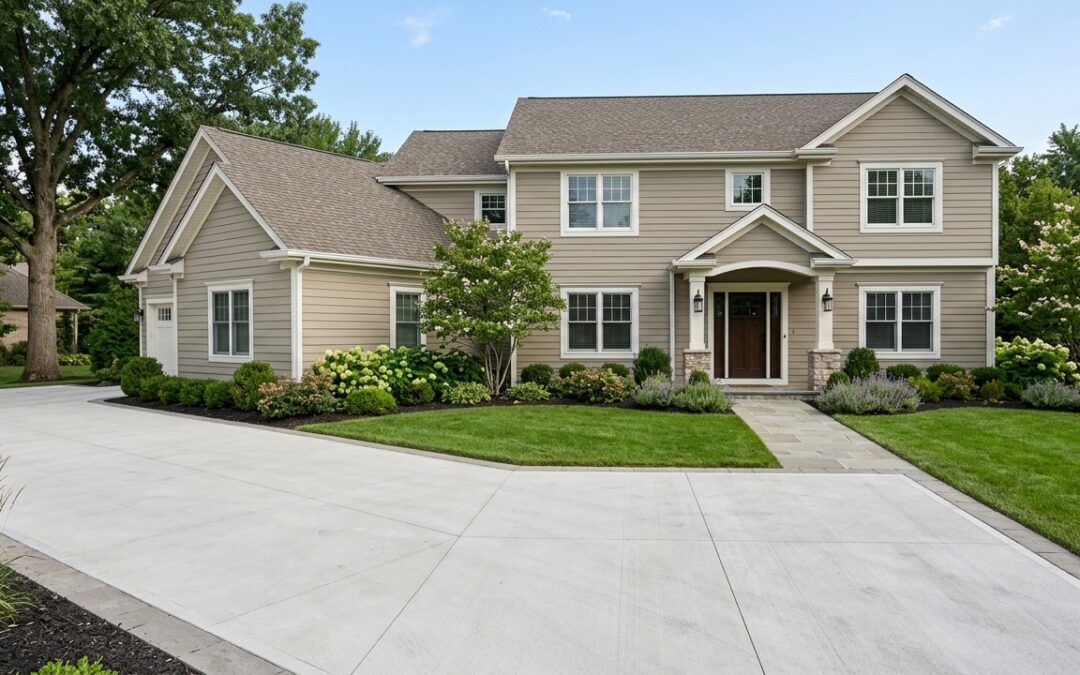
A home’s exterior shapes the first impression it makes, but curb appeal involves much more than choosing an attractive paint color or keeping the front lawn tidy. The condition of the driveway, the appearance of the entrance, the quality of outdoor lighting, and the way different materials work together all influence how welcoming and well-maintained a property looks. Even relatively modest improvements can make a noticeable difference when they are planned as part of a coordinated approach.
The most effective exterior updates balance appearance with everyday function. A driveway should provide a stable, convenient surface, paint should suit the home’s architectural features, and walkways should make access comfortable and straightforward. For homeowners considering driveway repair dallas, it is worth looking at the entire front approach rather than treating pavement problems as an isolated concern. A refreshed driveway can look even better when it complements the home’s colors, landscaping, and entryway.
The following seven upgrades offer practical ways to improve a property’s exterior, address visible wear, and create a more consistent appearance without making every project unnecessarily complicated.
1. Restore the Driveway Before Small Problems Grow
The driveway occupies a significant portion of many front yards, so its condition can strongly affect the overall appearance of a home. Cracks, uneven sections, surface deterioration, and poorly finished edges may make an otherwise attractive property appear neglected. Repairing these issues can improve both presentation and everyday usability.
Start by identifying the type and extent of the damage. Fine surface cracks may have different causes and repair requirements from wide openings, deep depressions, or sections that have shifted. Water entering cracks can contribute to further deterioration, while an uneven surface may indicate a problem with the underlying base or drainage. Simply filling a visible gap will not necessarily resolve the cause.
For homeowners researching driveway repair dallas, the useful first step is to assess the pavement rather than immediately choosing a repair product. Concrete and asphalt require different repair approaches, and the condition of the existing material matters as much as its appearance. A professional assessment can help determine whether targeted repairs are reasonable or whether a larger section needs attention.
After repairs, keep the surface clean and follow the recommended curing or waiting period before driving or parking on it. Avoid using heavy equipment or harsh cleaning methods that are unsuitable for the pavement. Consistent maintenance can help preserve the finish and make future damage easier to spot.
2. Refresh Exterior Paint With a Coordinated Color Plan
Fresh exterior paint can make siding, trim, doors, and other architectural details look cleaner and more defined. However, choosing a color simply because it looks appealing on a sample card can lead to disappointing results. Paint appears different depending on natural light, surrounding materials, surface texture, and the colors of nearby features.
A coordinated palette usually starts with one main color, a complementary trim color, and an accent for a front door or selected architectural detail. The goal is not to make every element identical. Instead, the colors should create a clear visual relationship between the house, the driveway, and the surrounding outdoor areas.
Before committing to a full repaint, test sample colors on a small, inconspicuous area. Observe them in morning and afternoon light, and compare them with permanent features such as brick, stone, roofing, and existing paving. A warm neutral may work well with earthy materials, while a cooler shade may complement certain modern finishes. The specific combination should suit the house rather than follow a short-lived trend.
Preparation also matters. Peeling paint, damaged caulking, moisture problems, and poorly prepared surfaces can undermine a fresh finish. Identify and address the underlying issue before applying new coatings. Where several exterior upgrades are planned, coordinate the painting schedule with repairs so that freshly finished surfaces are not damaged by later work.
3. Improve the Walkway and Front Entrance
A front walkway creates a visual and physical connection between the driveway, the main entrance, and the rest of the property. When the path is cracked, difficult to follow, or visually disconnected from the house, the entire front approach can feel unfinished.
Review the route people naturally take from the parking area to the door. A direct, comfortable path is often more useful than an elaborate design that forces visitors to navigate unnecessary turns. Pay attention to changes in elevation, slippery surfaces, loose pavers, and places where water collects. These issues affect both appearance and safe movement.
A walkway does not need to use the same material as the driveway to look cohesive. It can introduce a complementary texture or border while maintaining a consistent color relationship. For example, a simple concrete path may pair well with a driveway of a similar tone, while brick or stone details can provide contrast if they echo materials already used on the home.
Practical details to review before updating the entrance
- Surface condition: Check for loose pavers, cracked concrete, unstable edges, and areas that become slippery when wet.
- Path width and access: Make sure the route accommodates ordinary foot traffic and provides a comfortable approach to the door.
- Visual continuity: Coordinate the walkway’s color and finish with the driveway, exterior walls, and entrance details.
Finishing touches can make the entrance feel intentional. Keep the area around the door uncluttered, maintain the steps and threshold, and use planters or other accents selectively. The entrance should remain easy to access rather than becoming crowded with decorative items.
4. Address Drainage and Surface Water
Water management is one of the most important considerations in exterior maintenance, even though drainage improvements are not always immediately visible. Water that repeatedly collects near the driveway, walkway, foundation, or planting beds can create staining, contribute to surface deterioration, and leave outdoor areas muddy or difficult to use.
Observe the property during or shortly after rainfall. Look for puddles that remain long after surrounding areas have dried, runoff that crosses the walkway, and water flowing toward the house instead of away from it. Also note whether soil has washed out beside the pavement or whether planting beds are holding water against hard surfaces.
When planning driveway repair dallas, drainage deserves attention before the repaired area is considered complete. If water continues to collect in the same place, a new surface finish may not last as expected. Depending on the site, the solution may involve correcting a slope, improving an appropriate drainage route, or addressing a low section. Changes near foundations or underground utilities should be evaluated carefully rather than improvised.
The right solution depends on the property’s layout, soil, existing surfaces, and local requirements. Avoid directing runoff onto neighboring property or creating a new hazard for pedestrians. Where the cause is unclear, a qualified professional can evaluate the grading and recommend a suitable approach.
5. Upgrade Outdoor Lighting for Visibility and Character
Exterior lighting helps people navigate the property after dark while highlighting architectural features and the front entrance. Poorly positioned fixtures can create glare, leave important areas in shadow, or make a home appear visually unbalanced. A thoughtful lighting plan combines practical visibility with a restrained decorative effect.
Begin with the places that need light most: the front door, steps, walkway, and transition between the driveway and the entrance. Fixtures should illuminate these areas without shining directly into visitors’ eyes or nearby windows. If the driveway is long or has changes in elevation, consider how its edges and walking route will be visible at night.
Lighting choices worth considering
- Entry lighting: Wall-mounted fixtures near the front door can make the entrance easier to identify and use.
- Path lighting: Low-level fixtures can help define the walkway, especially where there are steps or changes in direction.
- Accent lighting: Carefully directed light can draw attention to a tree, textured wall, or architectural detail without illuminating every part of the yard.
Choose fixtures that suit the home’s exterior style and can withstand the conditions where they will be installed. Warm or neutral light may create a comfortable atmosphere, but consistency between fixtures is often more important than selecting the brightest option. Use timers, motion sensors, or other controls where practical, and ensure that outdoor electrical work is installed safely.
6. Refine Landscaping Around Hard Surfaces
Landscaping softens the appearance of large paved areas and helps connect the house to the rest of the yard. A driveway bordered by bare soil, overgrown plants, or irregular lawn edges can make the front of a property look unfinished, even when the pavement itself is in good condition.
The aim is to create clear boundaries without making maintenance difficult. Low-growing plants, defined planting beds, and neat lawn edges can frame the driveway while preserving visibility for people entering or leaving the property. Avoid placing plants where mature growth could obstruct sightlines or interfere with vehicles and pedestrian routes.
Landscaping improvements that keep the layout practical
- Define the edges: Use a consistent edge between grass, planting beds, and paved areas to create a cleaner visual line.
- Choose suitable plants: Consider mature size, watering needs, seasonal changes, and the amount of sunlight each area receives.
- Keep access clear: Leave enough room around the driveway and walkway for movement, maintenance, and visibility.
Mulch and decorative stone can give planting beds a finished appearance, but they should be contained so material does not spread across the pavement. Trees and larger shrubs also require careful placement. Roots, branches, and falling leaves can affect nearby hard surfaces or add to routine upkeep.
A restrained planting plan often works better than filling every available space. Repeating a few compatible plants can create continuity, while one or two contrasting features provide interest. Keep the design appropriate to the property’s scale and avoid blocking windows, lights, or entrances.
7. Coordinate Exterior Improvements in the Right Order
A collection of individually attractive upgrades does not always produce a cohesive result. The colors may clash, new paving may look disconnected from the entrance, or landscaping may hide details that were recently improved. Planning the sequence and relationship between projects helps avoid these problems.
A sensible order generally begins with diagnosing structural or water-related concerns. Surface repairs, grading adjustments, and other work that may disturb the property should be addressed before final painting, decorative planting, and finishing touches. This reduces the risk of damaging completed work or having to redo it.
Homeowners considering driveway repair dallas alongside painting or walkway improvements should compare the proposed materials and finishes before work begins. Samples, photographs, and simple sketches can help show how the different elements will look together. It is also useful to decide which changes are essential now and which can be completed later.
A simple planning table
| Upgrade | What to assess first | Planning consideration |
|---|---|---|
| Driveway repairs | Cracks, settlement, surface wear | Confirm the material and likely cause of damage |
| Exterior paint | Peeling, moisture, surface preparation | Test colors against permanent exterior features |
| Walkway improvements | Uneven sections, access, drainage | Keep the route comfortable and clearly defined |
| Drainage work | Standing water and runoff direction | Address the source before finishing surfaces |
| Outdoor lighting | Dark areas, glare, fixture condition | Prioritize safe access and suitable placement |
| Landscaping | Plant size, soil, sunlight, maintenance | Keep hard surfaces and sightlines clear |
| Entrance details | Steps, door condition, visual clutter | Complete finishing touches after disruptive work |
Budgeting should include preparation, removal of damaged materials where necessary, cleanup, and any repairs discovered during the project. It is better to understand the scope before work starts than to select finishes based only on the lowest initial estimate. Ask contractors to clarify which tasks are included and how the finished work will be protected.
For projects that involve several exterior elements, Catania Construction is a construction company homeowners can consider when planning coordinated property improvements, with the aim of aligning practical repairs and appearance-related updates within a clear project scope. Before hiring any contractor, review the proposed work, clarify responsibilities, and confirm the relevant qualifications and insurance for the job.
Frequently Asked Questions
1. Which exterior upgrade should be completed first?
Start with issues that may worsen or affect other work, such as significant surface damage, drainage problems, and unstable walking areas. Cosmetic updates, including paint and decorative landscaping, can generally follow once the underlying concerns have been addressed.
2. How can I tell whether a driveway crack needs professional attention?
The width, depth, location, and pattern of a crack can help indicate whether further evaluation is needed. Widening cracks, uneven sections, repeated water pooling, or visible settlement deserve closer inspection. A professional can help identify the likely cause and suitable repair method.
3. Should exterior paint be chosen before or after driveway work?
It is helpful to compare paint samples with the existing or proposed driveway finish during the planning stage. However, if the driveway work could disturb walls, trim, or nearby landscaping, complete that disruptive work before applying the final paint finish.
4. Can landscaping make a small front yard look more organized?
Yes. Clearly defined planting beds, repeated plant varieties, and tidy edges can create a sense of order without requiring extensive space. Keeping the entrance and walkway uncluttered is often more effective than adding numerous decorative features.
5. How can exterior improvements be spread across a limited budget?
Prioritize repairs that address damage, water management, or safe access. Then plan cosmetic updates in stages, choosing finishes that will work with future improvements. A coordinated plan helps reduce incompatible purchases and avoids repeating work unnecessarily.
Conclusion
Curb appeal improves when a home’s exterior works as a connected whole. A repaired driveway, coordinated paint colors, a comfortable walkway, effective drainage, appropriate lighting, tidy landscaping, and a carefully planned project sequence can each contribute to a more welcoming property. The most valuable upgrades are not necessarily the most elaborate; they are the ones that respond to the home’s actual condition and everyday needs.
Before starting, assess the visible problems, identify any underlying causes, and decide how the materials and colors will work together. For homeowners exploring driveway repair dallas, this broader perspective helps keep pavement improvements aligned with the rest of the exterior rather than treating the driveway as a separate feature. With sensible priorities and careful execution, exterior updates can improve both the appearance and practical use of the property over time.