
A blocked drain can turn an ordinary day into a frustrating experience. One minute, you’re washing dishes or taking a shower, and the next, water is draining slowly, unpleasant smells are coming from the pipes, or wastewater is backing up. These problems can happen in any home, and if ignored, a small blockage can sometimes turn into a much bigger plumbing issue.
For homeowners in Kallaroo, understanding why drains become blocked and how to prevent these problems can save time, money, and unnecessary stress. Some blockages are caused by everyday habits, while others develop due to tree roots, damaged pipes, or debris building up over time.
In this article, we’ll look at the most common causes of blocked drains in Kallaroo, simple ways to prevent them, and when it’s time to call a professional plumber.
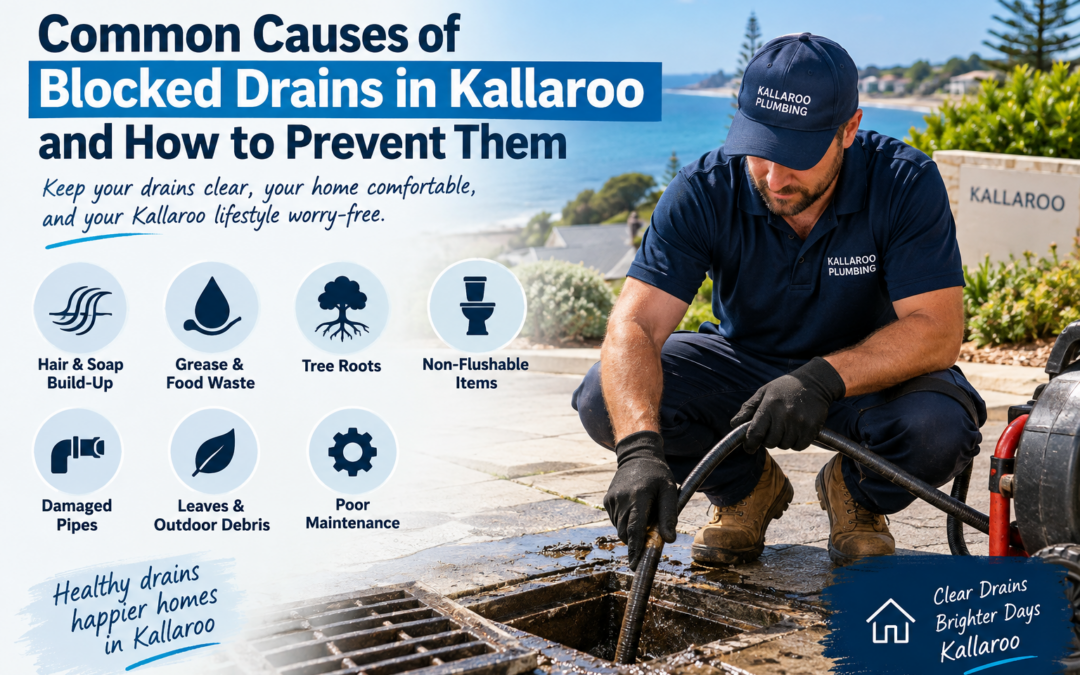
What Causes Blocked Drains in Kallaroo?
Drain blockages don’t always happen overnight. In many cases, small amounts of waste gradually build up inside your pipes until water can no longer flow freely. You might notice a slow-draining sink one day and a completely blocked drain a few weeks later.
The cause depends on where the blockage occurs. Kitchen sinks, bathroom drains, toilets, and outdoor drainage systems all face different challenges.
Let’s take a closer look at the common reasons behind these problems.
1. Hair and Soap Build-Up in Bathroom Drains
If you’ve ever stood in a shower with water collecting around your feet, there’s a good chance your drain is struggling to keep up. Hair is one of the most common reasons bathroom drains become blocked.
When hair goes down the drain, it can get caught inside the pipe. Soap residue, shampoo, and other products then stick to it, gradually creating a blockage. Over time, water takes longer to drain, and you may notice an unpleasant smell.
The good news is that this type of blockage is often preventable with a few simple habits.
How to prevent bathroom drain blockages:
- Place a hair catcher over your shower drain.
- Remove collected hair after showering.
- Clean your drain strainer regularly.
- Avoid allowing unnecessary objects or waste to enter the drain.
If your shower continues to drain slowly even after cleaning the visible debris, the blockage may be deeper inside the pipe and require professional attention.
2. Grease and Food Waste in Kitchen Sinks
Your kitchen sink handles a lot every day, from washing dishes to cleaning vegetables. It’s easy to assume that anything washed down the sink will simply disappear. Unfortunately, that’s not how your drainage system works.
Cooking oil, grease, and food scraps can stick to the inside of pipes. As grease cools, it may solidify and trap other debris. Over time, this can reduce the space available for water to flow.
Food waste such as rice, coffee grounds, flour, and vegetable scraps can also contribute to blockages.
A few easy ways to protect your kitchen drain
Before washing your dishes, scrape leftover food into a bin. Collect used cooking oil in a container rather than pouring it down the sink. A simple sink strainer can also help catch food particles before they enter the pipes.
You don’t need to make major changes to your routine. Small daily habits can help prevent unnecessary plumbing problems.
If your kitchen sink keeps backing up despite these efforts, there may be a blockage deeper in the drainage system. In that situation, professional drain cleaning may be necessary.
3. Tree Roots Growing Inside Drainage Pipes
Tree roots are another possible cause of blocked drains, particularly in underground drainage systems. Trees naturally search for moisture, and existing cracks or damaged joints in pipes can allow roots to enter.
Once inside a pipe, roots can grow and trap waste, gradually restricting the flow of water. This can lead to recurring blockages, even after the drain has been cleared.
Not every blocked drain near a tree is caused by root intrusion. However, if your property has mature trees close to underground drainage lines, it’s worth considering when blockages keep returning.
Signs that may indicate tree root problems include:
- Repeated blockages in the same drainage line.
- Slow drainage affecting multiple fixtures.
- Unusual gurgling sounds.
- Persistent unpleasant smells.
- Wet patches near underground drainage pipes.
A professional plumber may use a drain camera to inspect the inside of the pipe. This helps determine whether tree roots, cracks, or another obstruction is responsible.
4. Flushing the Wrong Items Down the Toilet
Your toilet is designed to handle human waste and toilet paper. Unfortunately, many people flush items that belong in the rubbish bin instead.
Wet wipes, paper towels, sanitary products, cotton buds, and other unsuitable materials can create blockages. Even products labelled as flushable may not break down in the same way as toilet paper and can contribute to drainage problems.
Children may also accidentally drop toys or other objects into the toilet, resulting in a sudden blockage.
How to prevent toilet blockages
The simplest solution is to be careful about what you flush. Dispose of wipes, sanitary products, and other non-flushable materials in a bin.
If your toilet starts overflowing or the water level rises after flushing, stop using it until the problem has been assessed. Repeated flushing can make the situation worse.
A plumber can determine whether the blockage is inside the toilet or further along the drainage pipe.
5. Excessive Toilet Paper and Flushing Issues
Toilet paper is designed to break down in water, but using too much at once can sometimes contribute to a blockage. This is more likely to be a problem when there is already a restriction or an issue with the plumbing system.
A toilet that frequently struggles to flush should not be ignored. The problem could be related to a partial blockage, inadequate flushing, or another plumbing fault.
If you notice that water drains slowly after flushing or the toilet makes unusual sounds, it’s worth investigating before the issue becomes more serious.
6. Damaged or Collapsed Drainage Pipes
Sometimes, the problem isn’t caused by waste or debris at all. Your drainage pipes may have developed damage over time.
Underground pipes can experience cracks, displaced joints, ground movement, or other structural issues. Older plumbing systems may be more vulnerable to deterioration, although damage can occur in newer systems too.
A damaged pipe can allow soil and other debris to enter, increasing the risk of blockages. In severe cases, a collapsed section of pipe may prevent wastewater from flowing normally.
One of the biggest warning signs is a blockage that keeps coming back after professional cleaning.
Rather than repeatedly clearing the same obstruction, a plumber may recommend a camera inspection to identify what’s happening inside the pipe. This allows you to make a more informed decision about repairs.
7. Leaves and Debris in Outdoor Drains
Outdoor drains are often overlooked until heavy rain arrives. Leaves, dirt, twigs, and garden debris can collect around drain grates and restrict water flow.
Properties with gardens and mature trees may need regular attention to outdoor drainage areas. Keeping visible grates clear can help reduce the amount of debris entering the drainage system.
Simple outdoor drain maintenance tips
- Remove leaves and dirt from drain covers.
- Keep garden waste away from drainage openings.
- Check outdoor drains after heavy rainfall.
- Look for visible signs of standing water.
- Arrange professional cleaning if an underground blockage is suspected.
Remember that stormwater drains and wastewater drains serve different purposes. If you’re unsure which drainage system is affected, a qualified plumber can help identify the issue.
Warning Signs of a Blocked Drain
Most drainage problems give you some warning before they become serious. Paying attention to these signs can help you take action early.
Slow-draining water: Your sink, shower, or basin takes longer than usual to empty.
Bad smells: An ongoing unpleasant odour may indicate trapped waste or stagnant water.
Gurgling noises: Unusual sounds can occur when air and water move through a partially blocked pipe.
Water backing up: Water rising from a drain suggests that wastewater may not be flowing properly.
Frequent blockages: If the same drain keeps getting blocked, there could be an underlying issue that needs investigation.
You don’t have to wait until the water stops draining completely before asking for help. Early assessment can sometimes prevent a more disruptive problem.
How to Prevent Blocked Drains in Kallaroo
Preventing every blockage isn’t possible, but good maintenance can reduce the risk of common drainage issues.The most useful approach is to pay attention to what enters your plumbing system. Kitchen grease, food scraps, hair, and unsuitable toilet items are all things you can control.It’s also important to respond to early warning signs rather than ignoring them. A slow drain may seem like a minor inconvenience, but it could indicate that debris is accumulating inside the pipe.
For homeowners searching online for Blocked Drains Kallaroo, professional assistance can be useful when basic maintenance isn’t enough or when the source of the problem is unclear.Regular maintenance, careful waste disposal, and professional inspections when needed can help keep your drainage system working reliably.
When Should You Call a Professional Plumber?
Some minor blockages may respond to appropriate basic maintenance, but not every drainage problem can be solved with a household plunger or DIY method.
You should consider contacting a professional if:
- Several drains are blocked at the same time.
- Wastewater is backing up into your home.
- The same blockage keeps returning.
- You suspect tree roots have entered the pipes.
- You notice signs of a damaged underground pipe.
- A blockage does not improve with safe, basic measures.
Avoid repeatedly using harsh chemical drain cleaners without checking whether they are suitable for your plumbing system. Incorrect use can create safety risks and may complicate subsequent plumbing work.
A professional drain cleaning service can assess the situation, identify the likely cause, and recommend a suitable solution.
If you need Blocked Drains Kallaroo assistance, look for a local plumber who clearly explains the work required and any associated costs.
Why Professional Drain Cleaning Can Make a Difference
When a drain is blocked, clearing the visible obstruction may provide temporary relief. However, if the underlying cause remains, the problem can return.
Professional plumbers have access to equipment designed to deal with different types of drainage issues. Depending on the situation, they may use drain augers, high-pressure water jetting, or CCTV drain cameras.
The right approach depends on the location and type of blockage, as well as the condition of the pipe. A camera inspection, for example, may help identify tree roots or structural damage that cannot be seen from the outside.
For people looking for Blocked Drains Kallaroo services, choosing a provider that focuses on identifying the cause—not just clearing the symptom—can be an important consideration.
Conclusion
Blocked drains are frustrating, but many common causes can be managed with a little care and regular maintenance. Hair in bathroom drains, grease in kitchen sinks, unsuitable toilet items, outdoor debris, and damaged pipes can all contribute to drainage problems.
The best way to protect your plumbing is to develop simple everyday habits. Use drain strainers, dispose of cooking oil correctly, avoid flushing unsuitable materials, and keep outdoor drainage areas clear.
At the same time, don’t ignore repeated blockages or unusual drainage symptoms. These may indicate a deeper issue that needs professional attention.
If you’re experiencing a drainage problem and need Blocked Drains, contacting a qualified local plumber can help you understand the cause and explore an appropriate solution.
A little preventative care today can help you avoid a much bigger plumbing headache tomorrow.
A blocked drain can turn an ordinary day into a frustrating experience. One minute, you’re washing dishes or taking a shower, and the next, water is draining slowly, unpleasant smells are coming from the pipes, or wastewater is backing up. These problems can happen in any home, and if ignored, a small blockage can sometimes turn into a much bigger plumbing issue.
For homeowners in Kallaroo, understanding why drains become blocked and how to prevent these problems can save time, money, and unnecessary stress. Some blockages are caused by everyday habits, while others develop due to tree roots, damaged pipes, or debris building up over time.
In this article, we’ll look at the most common causes of blocked drains in Kallaroo, simple ways to prevent them, and when it’s time to call a professional plumber.
What Causes Blocked Drains in Kallaroo?
Drain blockages don’t always happen overnight. In many cases, small amounts of waste gradually build up inside your pipes until water can no longer flow freely. You might notice a slow-draining sink one day and a completely blocked drain a few weeks later.
The cause depends on where the blockage occurs. Kitchen sinks, bathroom drains, toilets, and outdoor drainage systems all face different challenges.
Let’s take a closer look at the common reasons behind these problems.
1. Hair and Soap Build-Up in Bathroom Drains
If you’ve ever stood in a shower with water collecting around your feet, there’s a good chance your drain is struggling to keep up. Hair is one of the most common reasons bathroom drains become blocked.
When hair goes down the drain, it can get caught inside the pipe. Soap residue, shampoo, and other products then stick to it, gradually creating a blockage. Over time, water takes longer to drain, and you may notice an unpleasant smell.
The good news is that this type of blockage is often preventable with a few simple habits.
How to prevent bathroom drain blockages:
- Place a hair catcher over your shower drain.
- Remove collected hair after showering.
- Clean your drain strainer regularly
- Avoid allowing unnecessary objects or waste to enter the drain
If your shower continues to drain slowly even after cleaning the visible debris, the blockage may be deeper inside the pipe and require professional attention.
2. Grease and Food Waste in Kitchen Sinks
Your kitchen sink handles a lot every day, from washing dishes to cleaning vegetables. It’s easy to assume that anything washed down the sink will simply disappear. Unfortunately, that’s not how your drainage system works.
Cooking oil, grease, and food scraps can stick to the inside of pipes. As grease cools, it may solidify and trap other debris. Over time, this can reduce the space available for water to flow.
Food waste such as rice, coffee grounds, flour, and vegetable scraps can also contribute to blockages.
A few easy ways to protect your kitchen drain
Before washing your dishes, scrape leftover food into a bin. Collect used cooking oil in a container rather than pouring it down the sink. A simple sink strainer can also help catch food particles before they enter the pipes.
You don’t need to make major changes to your routine. Small daily habits can help prevent unnecessary plumbing problems.
If your kitchen sink keeps backing up despite these efforts, there may be a blockage deeper in the drainage system. In that situation, professional drain cleaning may be necessary.
3. Tree Roots Growing Inside Drainage Pipes
Tree roots are another possible cause of blocked drains, particularly in underground drainage systems. Trees naturally search for moisture, and existing cracks or damaged joints in pipes can allow roots to enter.
Once inside a pipe, roots can grow and trap waste, gradually restricting the flow of water. This can lead to recurring blockages, even after the drain has been cleared.
Not every blocked drain near a tree is caused by root intrusion. However, if your property has mature trees close to underground drainage lines, it’s worth considering when blockages keep returning.
Signs that may indicate tree root problems include:
- Repeated blockages in the same drainage line.
- Slow drainage affecting multiple fixtures.
- Unusual gurgling sounds
- Persistent unpleasant smells.
- Wet patches near underground drainage pipes.
A professional plumber may use a drain camera to inspect the inside of the pipe. This helps determine whether tree roots, cracks, or another obstruction is responsible.
4. Flushing the Wrong Items Down the Toilet
Your toilet is designed to handle human waste and toilet paper. Unfortunately, many people flush items that belong in the rubbish bin instead.
Wet wipes, paper towels, sanitary products, cotton buds, and other unsuitable materials can create blockages. Even products labelled as flushable may not break down in the same way as toilet paper and can contribute to drainage problems.
Children may also accidentally drop toys or other objects into the toilet, resulting in a sudden blockage.
How to prevent toilet blockages
The simplest solution is to be careful about what you flush. Dispose of wipes, sanitary products, and other non-flushable materials in a bin.
If your toilet starts overflowing or the water level rises after flushing, stop using it until the problem has been assessed. Repeated flushing can make the situation worse.
A plumber can determine whether the blockage is inside the toilet or further along the drainage pipe.
5. Excessive Toilet Paper and Flushing Issues
Toilet paper is designed to break down in water, but using too much at once can sometimes contribute to a blockage. This is more likely to be a problem when there is already a restriction or an issue with the plumbing system.
A toilet that frequently struggles to flush should not be ignored. The problem could be related to a partial blockage, inadequate flushing, or another plumbing fault.
If you notice that water drains slowly after flushing or the toilet makes unusual sounds, it’s worth investigating before the issue becomes more serious.
6. Damaged or Collapsed Drainage Pipes
Sometimes, the problem isn’t caused by waste or debris at all. Your drainage pipes may have developed damage over time.Underground pipes can experience cracks, displaced joints, ground movement, or other structural issues. Older plumbing systems may be more vulnerable to deterioration, although damage can occur in newer systems too.A damaged pipe can allow soil and other debris to enter, increasing the risk of blockages. In severe cases, a collapsed section of pipe may prevent wastewater from flowing normally.
One of the biggest warning signs is a blockage that keeps coming back after professional cleaning.Rather than repeatedly clearing the same obstruction, a plumber may recommend a camera inspection to identify what’s happening inside the pipe. This allows you to make a more informed decision about repairs.
7. Leaves and Debris in Outdoor Drains
Outdoor drains are often overlooked until heavy rain arrives. Leaves, dirt, twigs, and garden debris can collect around drain grates and restrict water flow.
with gardens and mature trees may need regular attention to outdoor drainage areas. Keeping visible grates clear can help reduce the amount of debris entering the drainage system.
Simple outdoor drain maintenance tips
- Remove leaves and dirt from drain covers.
- Keep garden waste away from drainage openings.
- Check outdoor drains after heavy rainfall.
- Look for visible signs of standing water.
- Arrange professional cleaning if an underground blockage is suspected.
Remember that stormwater drains and wastewater drains serve different purposes. If you’re unsure which drainage system is affected, a qualified plumber can help identify the issue.
Warning Signs of a Blocked Drain
Most drainage problems give you some warning before they become serious. Paying attention to these signs can help you take action early.Slow-draining water: Your sink, shower, or basin takes longer than usual to empty.Bad smells: An ongoing unpleasant odour may indicate trapped waste or stagnant water.
Gurgling noises: Unusual sounds can occur when air and water move through a partially blocked pipe.Water backing up: Water rising from a drain suggests that wastewater may not be flowing properly.Frequent blockages: If the same drain keeps getting blocked, there could be an underlying issue that needs investigation.You don’t have to wait until the water stops draining completely before asking for help. Early assessment can sometimes prevent a more disruptive problem.
How to Prevent Blocked Drains in Kallaroo
Preventing every blockage isn’t possible, but good maintenance can reduce the risk of common drainage issues.
The most useful approach is to pay attention to what enters your plumbing system. Kitchen grease, food scraps, hair, and unsuitable toilet items are all things you can control.
It’s also important to respond to early warning signs rather than ignoring them. A slow drain may seem like a minor inconvenience, but it could indicate that debris is accumulating inside the pipe.
For homeowners searching online for Blocked Drains Kallaroo, professional assistance can be useful when basic maintenance isn’t enough or when the source of the problem is unclear.
Regular maintenance, careful waste disposal, and professional inspections when needed can help keep your drainage system working reliably.
When Should You Call a Professional Plumber?
Some minor blockages may respond to appropriate basic maintenance, but not every drainage problem can be solved with a household plunger or DIY method.
You should consider contacting a professional if:
- Several drains are blocked at the same time.
- Wastewater is backing up into your home
- The same blockage keeps returning.
- You suspect tree roots have entered the pipes.
- You notice signs of a damaged underground pipe.
- A blockage does not improve with safe, basic measures
Avoid repeatedly using harsh chemical drain cleaners without checking whether they are suitable for your plumbing system. Incorrect use can create safety risks and may complicate subsequent plumbing work.
A professional drain cleaning service can assess the situation, identify the likely cause, and recommend a suitable solution.
If you need Blocked Drains Kallaroo assistance, look for a local plumber who clearly explains the work required and any associated costs.
Why Professional Drain Cleaning Can Make a Difference
When a drain is blocked, clearing the visible obstruction may provide temporary relief. However, if the underlying cause remains, the problem can return.
Professional plumbers have access to equipment designed to deal with different types of drainage issues. Depending on the situation, they may use drain augers, high-pressure water jetting, or CCTV drain cameras.
The right approach depends on the location and type of blockage, as well as the condition of the pipe. A camera inspection, for example, may help identify tree roots or structural damage that cannot be seen from the outside.
For people looking for Blocked Drains Kallaroo services, choosing a provider that focuses on identifying the cause—not just clearing the symptom—can be an important consideration.
Conclusion
Blocked drains are frustrating, but many common causes can be managed with a little care and regular maintenance. Hair in bathroom drains, grease in kitchen sinks, unsuitable toilet items, outdoor debris, and damaged pipes can all contribute to drainage problems.
The best way to protect your plumbing is to develop simple everyday habits. Use drain strainers, dispose of cooking oil correctly, avoid flushing unsuitable materials, and keep outdoor drainage areas clear.
At the same time, don’t ignore repeated blockages or unusual drainage symptoms. These may indicate a deeper issue that needs professional attention.
If you’re experiencing a drainage problem and need Blocked Drains, contacting a qualified local plumber can help you understand the cause and explore an appropriate solution.
A little preventative care today can help you avoid a much bigger plumbing headache tomorrow.