

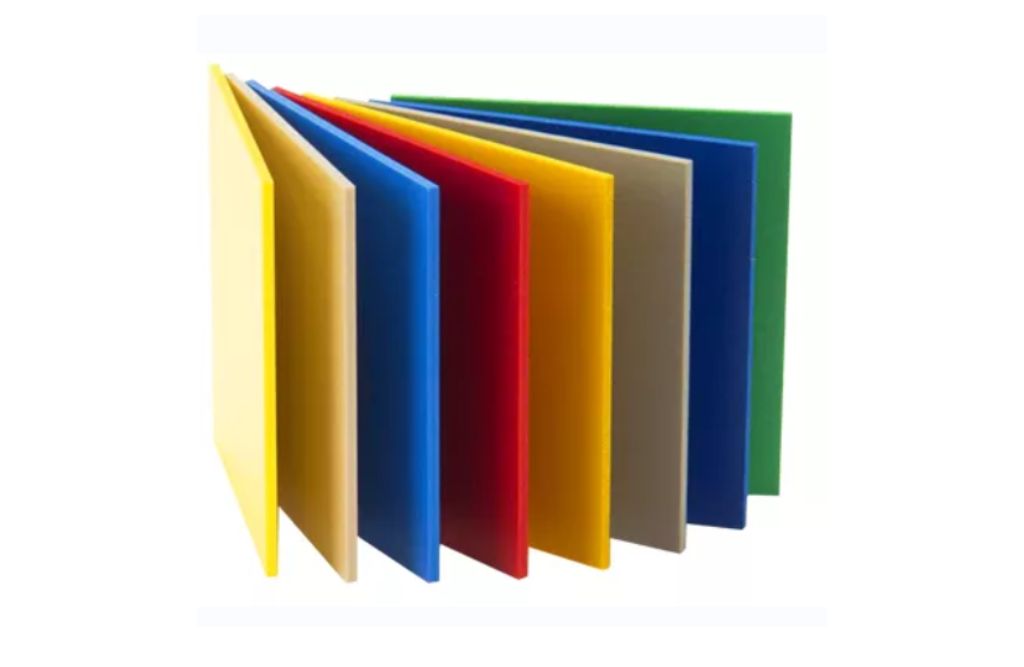
When working on an engineering, manufacturing, construction, or maintenance project, small material decisions can have a surprisingly large impact on the final result. Choosing the right plastic material is important, but so is getting that material in a form that fits the project requirements. This is where nylon sheet cut to size solutions can make a real difference.
Instead of purchasing large standard sheets and spending additional time cutting them down, businesses can order nylon sheets prepared to their required dimensions. This approach can reduce material waste, simplify handling, improve production efficiency, and help teams focus on the work that matters most.
Nylon is already valued for its strength, durability, wear resistance, and versatility. When it is supplied in accurately specified sizes, those benefits can become even more useful in practical applications.
What Is Nylon Sheet Cut to Size?
Nylon sheet cut to size refers to nylon plastic sheet material that has been cut according to specific dimensions requested by the customer. Depending on the supplier and project, dimensions may include the required length, width, thickness, or other specifications.
For a project that requires multiple components, ordering pre-cut material can eliminate some of the preparation work normally involved with standard-sized sheets. Rather than receiving oversized material and modifying it in-house, manufacturers and tradespeople can receive pieces that are much closer to their final requirements.
For example, a workshop may need several nylon panels for machinery components. Buying standard sheets could mean measuring, marking, cutting, and finishing each piece. With nylon sheet cut to size, much of this preliminary work can be reduced.
1. Reduces Material Waste
Material waste is a common concern in manufacturing and fabrication. Cutting large sheets into smaller components can leave behind offcuts that may not have a practical use.
Custom sizing helps businesses plan their material requirements more efficiently. When dimensions are determined before the order is placed, the cutting process can be planned around the project’s actual needs.
This does not necessarily eliminate all waste, but it can significantly reduce unnecessary material consumption. Over time, better material utilisation can contribute to lower purchasing costs and more sustainable production practices.
For businesses handling large production volumes, even a small reduction in material waste can have a noticeable effect on overall operating expenses.
2. Saves Valuable Production Time
Time is one of the most important resources in any project. Employees who spend hours measuring and cutting plastic sheets are spending less time on assembly, installation, fabrication, inspection, or other essential tasks.
Pre-cut nylon sheets can help streamline this workflow. Once the material arrives, teams can move more quickly to the next stage of production.
The time savings can be particularly valuable when a project requires dozens or hundreds of similar components. Instead of repeatedly preparing raw sheets, workers can concentrate on fitting, assembling, and testing the finished parts.
This makes nylon sheet cut to size a practical option for companies looking to improve workflow efficiency without making major changes to their production systems.
3. Improves Consistency Between Components
Consistency matters when multiple components need to work together. Small differences in dimensions can create fitting problems, particularly in mechanical and industrial applications.
Professional cutting services can provide more consistent dimensions across multiple pieces. This can make assembly easier and reduce the need for repeated adjustments.
For businesses producing components in batches, consistent sizing is especially useful. Each piece can be prepared according to the same specifications, helping create a more predictable manufacturing process.
Of course, the level of dimensional accuracy depends on the cutting method, equipment, material specifications, and supplier capabilities. For projects with tight tolerances, it is important to communicate the required measurements clearly before ordering.
4. Simplifies Material Handling
Large sheets can be difficult to transport, store, and handle safely. Moving oversized materials around a busy workshop can also take additional labour.
Smaller, project-specific pieces are generally easier to manage. They can be organised according to their application and moved to the production area when required.
This can make a difference in workplaces where storage space is limited. Instead of keeping large quantities of oversized sheets on-site, businesses may be able to order material in practical dimensions according to their production schedule.
Better organisation can also reduce the amount of time employees spend searching for the correct material.
5. Supports Faster Project Completion
When material preparation, handling, and cutting are simplified, the overall project timeline can benefit.
Consider a fabrication project involving several nylon components. If the team has to start by purchasing full sheets, measuring each component, cutting the material, checking dimensions, and cleaning up the work area, several additional steps are introduced.
Ordering nylon sheet cut to size can shorten this preparation stage. The material can arrive closer to the dimensions required for production, allowing the team to move forward more quickly.
This can be particularly useful when deadlines are tight or when projects involve multiple stages that depend on one another.
6. Makes Budgeting Easier
Project budgets are easier to manage when material requirements are clearly defined. Ordering custom-sized sheets allows businesses to calculate material requirements more closely around actual component dimensions.
While custom cutting may have an additional service cost, the overall project cost should be considered rather than looking only at the price per sheet.
Potential savings can come from reduced waste, lower in-house labour requirements, less equipment usage, and faster production. In some cases, these factors can make custom-sized material a cost-effective choice.
Businesses should compare the complete cost of purchasing and preparing standard sheets with the cost of receiving pre-cut material.
7. Offers Flexibility for Different Applications
Nylon is used in a wide range of industries because of its combination of mechanical strength, wear resistance, and durability. It can be found in applications involving machinery, engineering components, guides, rollers, wear strips, bearings, spacers, and other fabricated parts.
Every application can have different dimensional requirements. A component used inside industrial equipment may require a completely different size from a part used in a workshop or commercial installation.
Custom sizing gives businesses greater flexibility when working with these different requirements. Rather than adapting the project around the available sheet dimensions, the material can be prepared around the project’s specifications.
This makes nylon sheet cut to size particularly useful for custom fabrication and specialised engineering work.
8. Reduces the Need for In-House Cutting
Cutting plastic sheets in-house requires appropriate tools, workspace, safety procedures, and skilled labour. Depending on the material thickness and project requirements, the process may also require specialised equipment.
Outsourcing the cutting stage can reduce the pressure on internal resources. Employees can focus on tasks that require their particular expertise instead of spending time preparing raw material.
It can also help businesses avoid investing in cutting equipment that may not be needed regularly.
For smaller workshops and companies handling occasional custom projects, this flexibility can be especially valuable.
9. Helps Improve Workflow Planning
Good project planning depends on having the right materials available at the right time. Custom-sized nylon components can become part of a more organised production schedule.
Businesses can specify the dimensions and quantities required for each project stage. When the material arrives, it can be sorted and allocated according to its intended use.
This can reduce last-minute preparation and make production schedules more predictable.
For repeat orders, businesses can also maintain records of commonly used dimensions. This makes future purchasing faster and reduces the likelihood of measurement errors.
Choosing the Right Nylon Sheet Supplier
The benefits of custom cutting depend heavily on choosing a reliable supplier. Before placing an order, businesses should consider the supplier’s material quality, available thicknesses, cutting capabilities, dimensional accuracy, lead times, and ability to handle repeat orders.
It is also worth discussing the application with the supplier. Different nylon grades and specifications may be better suited to particular environments or operating conditions.
Providing accurate measurements is equally important. Customers should clearly communicate dimensions, quantities, tolerances, and any additional requirements before production begins.
A supplier that understands both the material and the customer’s application can help ensure that the finished sheets are suitable for the intended purpose.
Conclusion
Efficiency is often created through a series of small improvements rather than one major change. Using nylon sheet cut to size is one practical way businesses can simplify material preparation, reduce waste, save production time, and improve consistency.
Custom-sized nylon sheets can also make handling easier, support better workflow planning, and reduce the amount of cutting work required in-house. For manufacturers, engineers, fabricators, and maintenance teams, these advantages can contribute to smoother and more predictable projects.
The key is to select the appropriate nylon material and work with a supplier capable of producing dimensions that meet the project’s requirements. When material is prepared with the final application in mind, businesses can spend less time dealing with unnecessary preparation and more time delivering quality results.