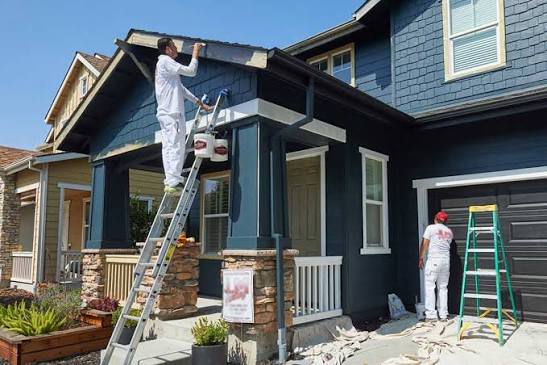
A fresh coat of exterior paint can completely change the appearance of a home. It can brighten faded siding, improve curb appeal, and provide an extra layer of protection against the weather. However, successful exterior painting involves more than selecting a color and hiring a painting crew.
The condition of the surrounding yard also affects the project. Overgrown shrubs, wet leaves, fallen branches, and crowded outdoor areas can limit access to walls and make surface preparation more difficult. They may also create safety risks for painters working with ladders and equipment.
Therefore, homeowners should inspect and clean their outdoor space before painting begins. A well-prepared yard gives painters room to work and helps prevent dirt, leaves, and plants from interfering with the new finish.
Key Takeaways
- A clean yard gives painters safer and easier access to siding, trim, doors, and other exterior surfaces.
- Removing plants and debris helps prevent moisture, dirt, and organic material from affecting paint preparation.
- Coordinating yard cleanup and painting can produce a cleaner finish while reducing delays and avoidable property damage.
Exterior Paint Preparation Starts Beyond the Walls
Most homeowners understand that exterior surfaces need preparation before painting. Painters may wash the siding, scrape loose paint, repair small damaged areas, sand rough edges, and apply primer where needed. Still, the area around the home needs attention as well.
Branches can rub against freshly painted siding. Tall shrubs can block windows, trim, and lower sections of the wall. Meanwhile, leaf piles and weeds may hold moisture near the foundation. Outdoor furniture, tools, hoses, planters, and decorations can also restrict movement.
Clearing these obstacles before the painting crew arrives makes the work area more manageable. It also allows homeowners and contractors to see the condition of the property more clearly.
Create Enough Space Around the Exterior
Painters need room to carry supplies, position ladders, install protective coverings, and move safely around the building. Dense landscaping can make these tasks difficult. In some cases, a painter may be unable to reach part of a wall without bending or damaging nearby plants.
Shrubs and tree branches should be trimmed back from the home. However, homeowners should avoid severe or unnecessary pruning. The goal is to create reasonable access without harming healthy landscaping.
Properties with heavy seasonal growth may require more extensive yard clean ups before painting or completing other exterior improvements. Professional cleanup can be especially useful when a yard contains overgrown vegetation, large debris piles, fallen limbs, or material that requires removal.
Creating a clear working path also helps prevent accidents. Painters are less likely to trip over hidden tools, roots, branches, or loose yard waste when the ground is open and visible.
Remove Items That Could Interrupt the Work
Small outdoor items are easy to overlook, but they can slow down a painting project. Before work begins, homeowners should move or secure anything located close to the exterior walls.
Common items to address include:
- Patio furniture and outdoor cushions
- Barbecue grills and portable fire pits
- Garden hoses and sprinklers
- Children’s toys and sports equipment
- Potted plants and hanging baskets
- Decorative signs and seasonal ornaments
- Bicycles, tools, and lawn equipment
- Firewood, bags of soil, and landscaping materials
- Trash, recycling, and compost containers
Larger objects that cannot be moved should be discussed with the painting contractor. The crew may need to cover them or adjust the work plan to maintain safe access.
Homeowners should also unlock gates and check that pathways around the house are open. These simple steps can save time once preparation and painting begin.
Keep Yard Debris Away From Prepared Surfaces
Exterior paint performs best when applied to a properly prepared surface. Dirt, dust, mildew, loose paint, and other contaminants can prevent coatings from bonding as intended.
Yard debris may contribute to this problem. Dry leaves can break apart and blow onto wet paint. Grass clippings may stick to lower siding or trim. Moreover, soil and mulch can splash onto a recently cleaned wall during rain or watering.
Before painters wash or prime the exterior, homeowners should remove loose debris from the base of the building. Leaves, twigs, weeds, and grass clippings should not remain pressed against siding or foundation surfaces.
Once the painting starts, lawn mowing and leaf blowing should be postponed near the work area. These activities can send dust and organic material into the air, increasing the risk of contamination while the coating is still wet.
Address Moisture and Drainage Concerns
Moisture can affect both the condition of exterior surfaces and the performance of paint. Vegetation growing directly against a wall can reduce airflow, while piles of wet leaves may keep lower surfaces damp.
Homeowners should look for signs such as:
- Damp areas that take a long time to dry
- Soil or mulch touching wood siding
- Water collecting near the foundation
- Sprinklers spraying directly onto the building
- Gutters overflowing into planted areas
- Mold or mildew near dense shrubs
- Irrigation leaks beside exterior walls
These conditions do not always mean that major repairs are necessary. However, they should be examined before painting begins. A surface that continues to receive excess moisture may experience staining, peeling, or coating failure sooner than expected.
Irrigation systems may also need temporary adjustment. Sprinklers should remain off near newly painted surfaces until the coating has had enough time to dry and cure according to the product instructions.
Protect Plants During Surface Preparation
Cleaning and painting can expose nearby plants to water, paint chips, dust, or overspray. Therefore, healthy landscaping should be protected throughout the project.
Small plants may be covered loosely with breathable material during active work. Heavy plastic should not remain over plants for long periods, especially in warm or sunny conditions, because trapped heat can cause damage.
Painters may also use drop cloths to catch loose paint and protect soil or hardscaped areas. If the project involves scraping older coatings, careful containment and cleanup become particularly important.
Plants should be uncovered as soon as the immediate work is complete. This allows them to receive normal airflow and sunlight while still keeping them protected during the most active stages of preparation.
Coordinate Yard Work and Painting in the Correct Order
Scheduling outdoor services in the right sequence can prevent repeated work. In most cases, major cleanup should happen before washing and painting. However, minor final cleanup may still be required after the painters finish.
A practical order is:
- Inspect the home and surrounding landscaping.
- Remove junk, fallen branches, weeds, and accumulated debris.
- Trim plants that block access to siding or trim.
- Move outdoor furniture, tools, and decorations.
- Complete pressure washing and exterior surface preparation.
- Allow surfaces to dry fully.
- Make necessary repairs and apply primer.
- Complete the painting work.
- Inspect the finished surfaces.
- Return outdoor items and complete a light final cleanup.
Major landscaping construction should be planned carefully. For example, soil work, tree removal, patio demolition, or hardscape installation can generate dust and debris. If these projects are already scheduled, it may be better to complete them before the final exterior coat.
Check Fences, Gates, Sheds, and Other Structures
Exterior painting does not always stop at the house. Fences, gates, sheds, detached garages, pergolas, and other outdoor structures may also need attention.
Each structure should have a clear path around it. Vines and climbing plants may need to be carefully separated from surfaces. In addition, stored items should be moved away from shed walls and fences before preparation begins.
Homeowners should decide which surfaces will be included in the painting estimate. Clarifying the scope early prevents confusion once the crew arrives. It also makes it easier to determine how much of the yard needs to be cleared.
Decide Whether to Clean the Yard Yourself
Homeowners may be able to handle light cleanup without professional help. Moving patio furniture, collecting loose leaves, and trimming small plants are often manageable tasks.
However, professional support may be more practical when the project involves:
- A severely overgrown yard
- Large or heavy branches
- Extensive brush removal
- Large amounts of green waste
- Junk or abandoned outdoor materials
- Difficult slopes or limited access
- Multiple areas requiring restoration
- Equipment that the homeowner does not own
The decision should depend on safety, project size, available time, and local disposal requirements. Homeowners should avoid handling heavy materials or cutting large branches without the right equipment and experience.
Give the Property a Complete Exterior Refresh
Exterior painting provides the greatest visual impact when the surrounding property also looks organized and maintained. Fresh siding may receive most of the attention, but clean paths, trimmed plants, and debris-free outdoor areas help complete the transformation.
Yard cleanup also has a practical purpose. It provides better access, reduces contamination risks, and helps contractors prepare surfaces more thoroughly. Additionally, it allows homeowners to identify moisture concerns or small exterior problems before they are hidden by a new coat of paint.
By planning the cleanup first, homeowners can create a safer work area and support a more efficient painting process. The result is not only a refreshed building but also a cleaner and more welcoming property.