

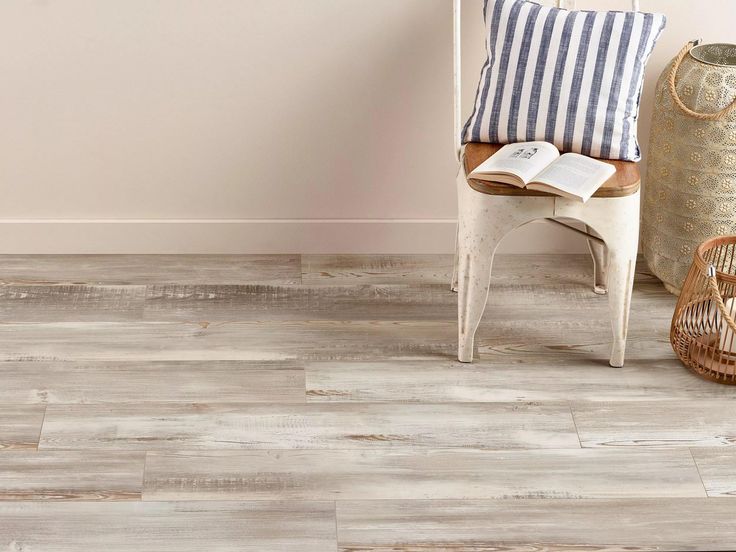
Choosing WPC flooring based only on thickness can lead to the wrong decision. Many buyers assume the thickest plank will always be stronger, quieter, and more durable. However, total thickness is only one part of flooring performance.
The best thickness depends on where the flooring will be installed, how much traffic the room receives, the condition of the subfloor, and the amount of clearance available beneath doors and appliances. The wear layer, core quality, attached pad, locking system, and installation method also matter.
For many residential spaces, WPC flooring measuring about 7 to 8 millimeters provides a practical balance of comfort, stability, floor height, and cost. Thicker options between 10 and 12 millimeters may be worth considering when greater cushioning or a more substantial underfoot feel is important.
What Does WPC Flooring Thickness Include?
WPC stands for wood plastic composite or wood polymer composite. It is a type of rigid vinyl flooring with a waterproof composite core. Most wpc flooring products contain several layers, including a protective coating, wear layer, printed design film, WPC core, and attached backing. The listed thickness may include every layer of the plank. For example, an 8-millimeter product with an attached pad does not necessarily have an 8-millimeter core. Part of that measurement may come from the backing.
This detail matters because two products with the same total thickness can perform differently. One may have a denser core, a stronger locking profile, and a better wear layer. Another may get more of its thickness from a soft pad. Buyers should therefore check the complete specification sheet rather than comparing only the number printed on the carton.
Millimeters and Mils Are Different Measurements
WPC plank thickness is normally measured in millimeters. The wear layer is commonly measured in mils. These measurements describe different parts of the product and should not be confused. One mil equals one-thousandth of an inch. It does not mean one millimeter. A product described as 8 millimeters thick with a 20-mil wear layer uses two separate measurements.
Total millimeters mainly affect rigidity, cushioning, joint structure, and finished floor height. Wear-layer thickness helps protect the printed design against routine surface wear. Both specifications should be considered together.
WPC Thickness Options at a Glance
| Approximate total thickness | Common application | Main consideration |
| 5–6 mm | Light-use residential rooms | Lower profile but less substantial feel |
| 7–8 mm | General household use | Balanced option for many homes |
| 9–10 mm | Active rooms and comfort-focused projects | Adds comfort but increases floor height |
| 11–12 mm | Premium residential or approved commercial use | Requires careful clearance planning |
These ranges offer general guidance rather than fixed rules. A well-made 8-millimeter plank can perform better than a poorly constructed 12-millimeter product. Core quality, locking strength, wear-layer protection, and correct installation remain important at every thickness.
Is Thicker WPC Flooring More Durable?
A thicker WPC plank may feel more stable and substantial underfoot. It can provide more material around the locking edges and may offer additional resistance to certain impacts. However, greater total thickness does not automatically provide better protection against scratches, stains, or surface wear. The wear layer and protective finish handle most contact with shoes, pet claws, furniture, and routine cleaning. A thick plank with a light-duty wear layer may show visible wear sooner than a slightly thinner product with stronger surface protection.
Durability also depends on the density of the WPC core. An overly soft core may dent beneath concentrated weight even if the plank is thick. Similarly, weak locking joints can fail when the floor is installed over an uneven surface. The strongest choice is a balanced product with a suitable total thickness, dependable core, appropriate wear layer, secure locking system, and approved application.
How Much Wear-Layer Protection Do You Need?
A 6-mil wear layer may be suitable for a lightly used bedroom or guest room. For normal residential use, many homeowners consider 12 mil or above. Busy households with children, pets, and frequent visitors may benefit from 20-mil protection. Products with 22- to 30-mil wear layers may be designed for demanding residential areas or approved commercial settings. However, a larger number does not automatically make a product suitable for every business or room. Buyers should review the manufacturer’s warranty, traffic rating, and approved applications.
Surface-coating quality also matters. Two products with equal wear-layer measurements may perform differently because of their finish, manufacturing quality, cleaning requirements, and maintenance.
Best WPC Thickness for Different Rooms
Bedrooms and guest rooms normally experience limited foot traffic. A properly constructed product around 6 to 8 millimeters may be sufficient when the subfloor is flat and the wear layer matches the expected use.
Living rooms and family rooms usually need a stronger balance of comfort and stability. WPC between 7 and 10 millimeters can work well in these areas. Homes with children or pets should give additional attention to the wear layer and surface finish.
Kitchens and dining rooms experience spills, dropped objects, moving chairs, and frequent cleaning. A thicker plank can improve underfoot comfort, especially where people stand for extended periods. However, waterproof flooring does not waterproof the subfloor. Leaks can still travel through edges, gaps, and openings around fixtures.
Basements require moisture testing and product approval. Selecting a 12-millimeter plank will not solve moisture problems in concrete. Moisture-control requirements must be handled before installation.
Upper-level rooms and apartments may benefit from a WPC product with an approved acoustic backing. In these spaces, tested sound ratings are more useful than thickness alone.
WPC Flooring for Homes With Children and Pets
Active households need flooring that can handle frequent movement, spills, toys, pet traffic, and regular cleaning. A 7- to 10-millimeter WPC floor with a suitable wear layer may provide a comfortable and practical surface.
Extra plank thickness mainly affects structure and underfoot feel. It does not make flooring scratch-proof or dent-proof. Pet nails should be kept trimmed, and protective pads should be placed beneath furniture.
Entrance mats can reduce tracked-in grit that may wear the surface. Spills should also be cleaned promptly according to the product’s care instructions. These simple steps influence long-term performance regardless of plank thickness.
How Thickness Affects Comfort and Noise
WPC has a foamed composite core that generally feels warmer and more cushioned than some denser rigid-core products. Increasing the total thickness may make the floor feel more substantial, especially over concrete.
An attached pad can also soften footfall and reduce some sound inside the room. However, thicker flooring does not guarantee better acoustic performance. Pad material, subfloor construction, room structure, and installation quality all influence noise.
Apartments and upper-level installations may have specific sound-control requirements. In these cases, buyers should check tested IIC or STC ratings and confirm that the product meets building or homeowners’ association rules.
Adding extra underlayment is not always safe. Too much cushioning may allow the floor to flex and place stress on the locking joints. Additional padding should only be used when the flooring manufacturer approves it.
Can Thick WPC Hide an Uneven Subfloor?
Thicker WPC may bridge very small surface textures better than a thin product, but it cannot correct an uneven floor. Dips and raised sections can cause movement, noise, joint separation, or broken locking edges.
Before installation, the subfloor should be clean, dry, firm, and flat within the manufacturer’s limits. Loose wood panels should be secured, damaged sections repaired, and high or low areas corrected.
Concrete must also be checked for cracks and moisture. A thick floating floor can cover these problems visually, but it cannot prevent them from affecting the installation later.
Subfloor preparation is one of the most important parts of a successful flooring project. Paying for additional thickness does not remove this requirement.
Floor Height, Doors, and Appliances
A thicker WPC floor raises the finished surface. This may reduce clearance beneath interior and exterior doors. It can also create problems around dishwashers, refrigerators, stairways, baseboards, and adjoining flooring.
Transitions become especially important where WPC meets carpet, tile, or hardwood. A large height difference may require special trim or additional preparation.
The combined thickness of the plank and attached pad should be calculated before ordering. Floating WPC also needs space for movement around walls and fixed features. Cabinets, islands, and other permanent structures should not trap the floor unless the manufacturer specifically permits that installation.
WPC Over Concrete and Wood Subfloors
Concrete subfloors require moisture evaluation, crack inspection, and proper flattening. The flooring instructions may also require a vapor-control layer, even when the plank itself is marketed as waterproof.
Wood subfloors should be checked for loose panels, squeaks, damage, excessive movement, and raised fasteners. Structural deflection beneath the floor must be corrected before WPC is installed.
Neither surface automatically requires the thickest flooring. Product suitability and subfloor condition are more important than choosing the highest millimeter measurement.
When 7–8 Millimeters May Be Enough
WPC between 7 and 8 millimeters can provide a useful balance for bedrooms, living rooms, dining areas, and many general residential projects. It offers a substantial feel without creating the floor-height challenges associated with some thicker products.
This range may also be more budget-friendly. However, buyers should still compare wear-layer thickness, core quality, attached backing, locking strength, warranty terms, and room approval.
An 8-millimeter floor is not automatically suitable simply because it falls within a common residential range. Its complete construction must match the project.
When 10–12 Millimeters May Be Worth It
Thicker WPC may appeal to homeowners who prioritize underfoot comfort, a solid feel, or improved room sound. It can be useful in active living areas and certain upper-level rooms when the product has suitable acoustic testing.
The additional thickness may also strengthen the area around a well-designed locking profile. Nevertheless, this benefit depends on manufacturing quality and correct installation.
The trade-offs include a higher price and increased finished floor height. Door trimming, appliance clearance, stair dimensions, and transitions may require extra planning. Homeowners should confirm that these practical issues do not outweigh the added comfort.
Comparing Products at a Flooring Store
Visiting a Flooring store allows buyers to compare physical samples and complete specifications rather than relying only on online pictures. Examine total thickness, core thickness, attached-pad measurement, wear layer, locking edges, and warranty coverage.
Connect several sample planks on a firm surface. This can reveal how securely the joints fit and how the material feels underfoot. It also provides a better view of grain variation, bevels, color changes, and repeated patterns.
Ask whether the listed measurement includes the attached pad. Buyers should also confirm installation requirements, subfloor limits, transition availability, and whether additional underlayment is permitted.
At Sams Flooring, customers in Dalton, Georgia, can compare WPC products with different thicknesses and wear layers. The most suitable option should be chosen according to room conditions and full product specifications rather than thickness alone.
Does Greater Thickness Justify a Higher Price?
Thicker WPC often costs more because it uses additional material and may include a more substantial backing. However, the price can also reflect plank size, surface finish, visual quality, wear layer, locking design, and warranty.
The total project cost should include flooring waste, delivery, trim, transitions, old-floor removal, subfloor preparation, and installation. A less expensive plank may not produce the lowest completed cost if it requires extra work or does not suit the room.
Likewise, paying for 12-millimeter flooring may provide little benefit in a lightly used room with strict height limits. The best value comes from selecting specifications that directly support the project.
FAQs
Is 8 mm WPC flooring thick enough?
An 8-millimeter WPC product can suit many residential rooms when it has an appropriate wear layer, reliable locking system, approved application, and properly prepared subfloor. Buyers should confirm whether the measurement includes the attached pad.
Is 12 mm WPC better than 8 mm?
A 12-millimeter product may feel softer or more substantial, but it is not automatically more scratch-resistant. An 8-millimeter floor may be the better choice when its construction suits the room and floor-height clearance is limited.
What wear layer is suitable for WPC flooring?
Light-use rooms may use a 6-mil wear layer, while general residential spaces often require 12 mil or above. Active homes may consider 20 mil or more. Always check the product’s warranty and approved use.