

Have you noticed your electricity bills creeping up quarter after quarter? Are you tired of dreading that envelope from your energy provider? And have you ever wondered whether solar panels could make a real dent in those costs?
You’re certainly not alone. Across Australia, households are waking up to the reality that traditional grid electricity is becoming increasingly expensive. The good news? There’s a proven way to take control of your energy costs, and it starts with understanding how professional solar installers can transform your roof into a money-saving powerhouse.
In this article, we’ll explore everything you need to know about working with professional solar installers. From understanding what’s driving your current bills to figuring out the right system size for your home, we’ve got you covered. You’ll discover how much Aussie households are genuinely saving, what to look for when choosing an installer, and whether battery storage is worth the extra investment. Let’s get stuck into it.
Understanding Your Current Energy Bills
Breaking Down What You’re Actually Paying For
Before you can appreciate how solar saves you money, it helps to understand where your cash is currently going. Your electricity bill isn’t just one big charge it’s made up of several components. You’ve got your usage charges (the actual electricity you consume), supply charges (a daily fee for being connected to the grid), and various environmental schemes.
The usage charge is where solar really shines. This is calculated per kilowatt-hour (kWh), and it’s the portion that balloons when you run the air con all summer or fire up the heater through winter. Most Australian households pay anywhere from 25 to 40 cents per kWh, depending on their state and provider.
Peak vs Off-Peak Rates: Where Your Money Really Goes
Here’s the thing many people miss not all electricity costs the same throughout the day. Peak rates kick in during high-demand periods, typically late afternoon to early evening when everyone’s cooking dinner and watching telly. These rates can be significantly higher than off-peak prices.
This is precisely why solar makes so much financial sense. Solar panels generate most of their power during daylight hours, which helps you avoid drawing expensive peak-rate electricity from the grid. Understanding this pattern is crucial when designing a system that maximises your savings.
What Do Professional Solar Installers Actually Do?
Site Assessment and Energy Audit
A quality solar installer doesn’t just rock up and start bolting panels to your roof. They begin with a thorough site assessment. This involves analysing your roof’s orientation, pitch, and any shading from trees or neighbouring buildings. They’ll also examine your energy bills to understand your consumption patterns.
This assessment is critical because it determines whether solar is viable for your property and, if so, what type of system will deliver the best returns. Without this step, you could end up with an undersized system that barely makes a dent or an oversized one that wastes your investment.
Custom System Design for Your Home
Once the assessment is complete, professional installers design a system tailored specifically to your needs. This isn’t a one-size-fits-all approach. They consider your roof space, energy usage, budget, and future like whether you might add a pool or electric vehicle down the track.
The design phase also includes selecting appropriate inverters, mounting systems, and panel configurations. A well-designed system can produce significantly more energy than a poorly planned one, even with identical components.
Quality Installation and Safety Compliance
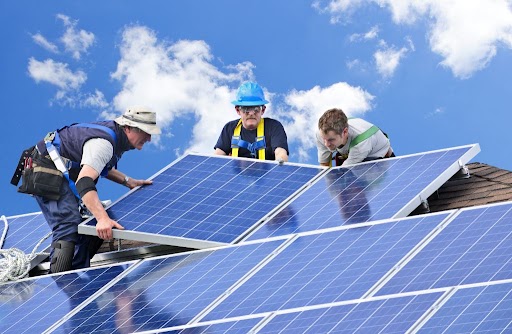
Installation day is where the magic happens, but it’s also where things can go seriously wrong with inexperienced installers. Professional installers follow strict safety protocols and Australian standards. They make sure the electrical work is up to code, the panels are securely mounted, and everything integrates properly with your existing electrical system.
Plus, professional installation is required to access government rebates. Cut corners here, and you could void warranties, create safety hazards, or miss out on thousands in incentives.
How Much Can You Really Save with Solar Panels?
Average Savings for Australian Households
Let’s talk numbers. The average Australian household with a 6.6kW solar system can save between $1,000 and $2,500 annually on electricity bills. That’s real money back in your pocket every single year. Some households with higher consumption and optimal setups save even more.
These savings compound over the 25-year lifespan of quality solar panels. We’re talking potential savings of $25,000 to $60,000 over the system’s lifetime. Not bad for an upfront investment that’s often recovered within 3-7 years.
Factors That Affect Your Solar Savings
Your actual savings depend on several variables. Your location matters Queensland gets more sunshine than Tasmania. Your roof’s orientation plays a role too, with north-facing panels generally performing best. Then there’s your consumption habits. If you’re home during the day using electricity when panels are producing, you’ll save more than someone who’s out all day.
The size and quality of your system also influence savings. Cheap panels might save you money upfront but often degrade faster and produce less power over time.
Real Payback Periods: What to Expect
Most Australian households see their solar investment pay for itself within 3-7 years. After that, you’re essentially generating free electricity. The exact payback period depends on system cost, energy prices, your consumption patterns, and how much excess power you export to the grid.
With electricity prices continuing to rise, these payback periods are actually getting shorter. What might have taken 7 years to recover a decade ago now often takes just 4-5 years.
Why Hire a Professional Installer Instead of Going DIY?
Accreditation and Warranty Protection
Here’s the deal DIY solar installation in Australia isn’t just inadvisable, it’s essentially illegal for grid-connected systems. Only licensed electricians can perform the electrical work, and only Clean Energy Council (CEC) accredited installers can sign off on systems eligible for rebates.
Beyond legality, professional installation protects your warranties. Panel manufacturers typically void their warranties if products aren’t installed by accredited professionals. That 25-year performance warranty becomes worthless if you’ve cut corners.
Accessing Government Rebates and Incentives
The federal government’s Small-scale Renewable Energy Scheme provides substantial rebates often $2,000-$4,000 depending on your location and system size. But here’s the catch: you only qualify if a CEC-accredited installer completes the job.
Some states offer additional incentives. Victoria has interest-free loans, while other states periodically introduce bonus rebates. Professional installers stay across these programs and help you access every dollar you’re entitled to.
Avoiding Costly Installation Mistakes
Poor installation can lead to roof leaks, electrical fires, underperforming systems, and voided home insurance. Professional installers carry appropriate insurance and provide workmanship warranties. If something goes wrong, you’re covered.
The money you might “save” with a dodgy installation can quickly evaporate when you need repairs or replacement. It’s simply not worth the risk.
Is Solar Worth It for Every Home?
Roof Orientation and Shading Considerations
Not every home is perfectly suited to solar, but most Australian properties can benefit to some degree. North-facing roofs perform best, followed by east and west orientations. South-facing roofs in Australia receive the least direct sunlight but can still work with the right system design.
Shading from trees, chimneys, or neighbouring buildings can significantly impact performance. However, modern microinverters and power optimisers can minimise shading losses, making solar viable for properties that would have been unsuitable years ago.
Household Energy Consumption Patterns
Your daily routine affects Solar’s value to you. If you work from home or have family members home during daylight hours, you’ll use more solar power directly and maximise savings. Shift workers or families out all day might benefit more from battery storage or time-of-use tariffs.
Rental Properties vs Owner-Occupied Homes
Renters face obvious challenges you can’t install solar on a property you don’t own. However, some landlords are open to installing solar, especially if tenants’ express interest. For homeowners, solar makes sense whether you’re staying put or planning to sell, as it typically adds value to your property.
How Long Does It Take for Solar Panels to Pay for Themselves?
As mentioned, typical payback periods range from 3-7 years. A household with high energy consumption, a well-designed system, and strong self-consumption rates might see payback in just 3-4 years. Those with lower consumption or less optimal conditions might take 6-7 years.
What Size Solar System Do I Need to Eliminate My Electricity Bill?
Completely eliminating your electricity bill is tricky without battery storage, since you’ll still draw power at night. However, a 6.6kW system suits most average households, while larger families or those with pools might need 10kW or more. Your installer will analyse your bills and recommend the right size.
Choosing the Right Solar Installer: What to Look For
CEC Accreditation and Industry Certifications
Always verify your installer holds current CEC accreditation. This is non-negotiable for accessing rebates and confirms they’ve completed required training. Check the CEC website to verify credentials.
Reviews, Reputation and Local Experience
Look for installers with strong Google reviews and a solid local reputation. Ask for references and check how long they’ve been operating. Local experience matters because installers familiar with your area understand local regulations and conditions.
Transparent Quotes and After-Sales Support
Quality installers provide detailed quotes explaining exactly what you’re getting. Be wary of vague pricing or high-pressure sales tactics. Ask about their after-sales support what happens if something goes wrong in year three?
Do Solar Panels Increase Property Value?
Research consistently shows solar panels add value to Australian homes. Studies suggest a solar system can increase property value by $20,000-$40,000, depending on system size and local markets. It’s an investment that pays dividends even when you sell.
Battery Storage: Is It Worth Adding to Your Solar System?
Batteries let you store excess solar power for evening use, reducing grid reliance further. They’re becoming more affordable but still represent a significant investment. For most households, batteries extend payback periods by several years. However, if energy independence or blackout protection matters to you, they’re worth considering.
Common Mistakes to Avoid When Going Solar
Don’t choose based solely on price cheap systems often underperform. Avoid installers who can’t explain their recommendations clearly. Don’t underestimate your future energy needs and never skip the site assessment. Finally, always get multiple quotes to compare fairly.
Taking the Next Step Towards Lower Energy Bills
So, there you have it. Professional solar installers offer far more than just panel installation they provide expertise, warranty protection, rebate access, and peace of mind that your system will perform safely and efficiently for decades.
The numbers speak for themselves. Australian households are saving thousands annually, recovering their investment within a few years, and enjoying decades of reduced electricity bills. With energy prices showing no signs of dropping, there’s never been a better time to explore your options.
Ready to take control of your energy costs? Start by getting quotes from several CEC-accredited installers in your area. Compare their recommendations, ask plenty of questions, and choose a company you trust. Your future self and your wallet will thank you.