

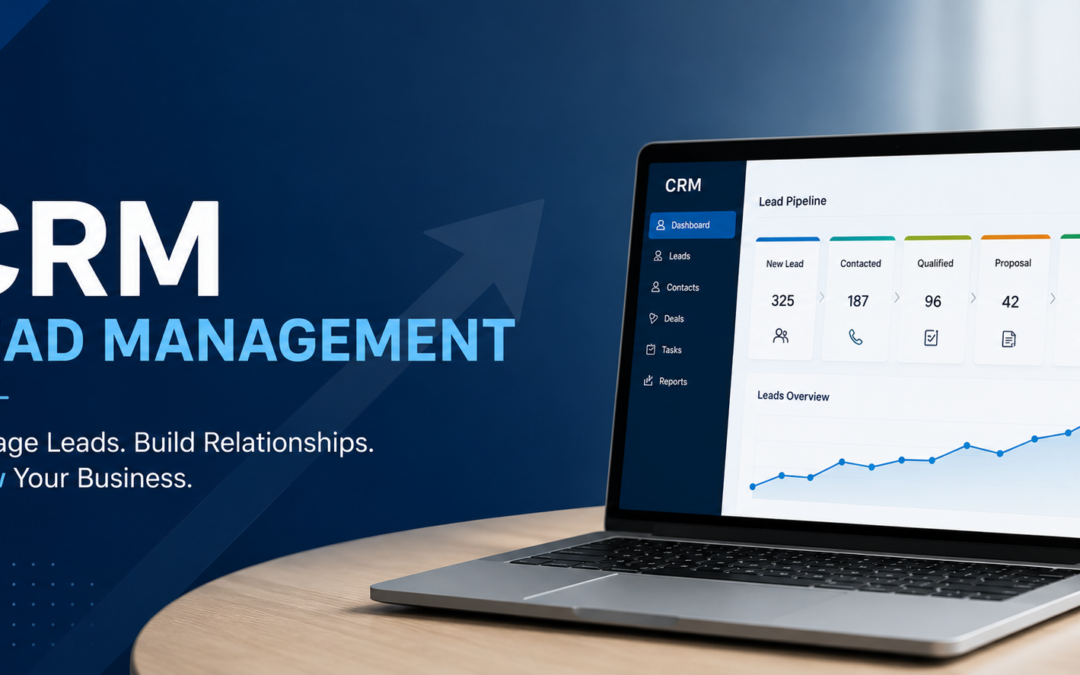
Most businesses don’t struggle with getting leads—they struggle with what happens after the first contact. CRM lead management is the system that keeps those leads from slipping away, getting ignored, or falling through scattered spreadsheets.
At its core, it’s about tracking, organizing, and moving potential customers through a structured journey until they become paying clients.
What CRM Lead Management Actually Means
CRM lead management is the process of capturing leads, storing their information in a central system, and guiding them through stages like:
- New lead captured
- Qualified or unqualified
- Contacted
- Engaged
- Converted (or lost)
Instead of sales teams guessing who to call next, the CRM shows it clearly.
Platforms like Salesforce help businesses manage this process at scale.
Why Lead Management Matters
Without a proper system, leads usually die in predictable ways:
- Sales reps forget to follow up
- Multiple people contact the same lead
- Hot prospects get treated like cold ones
- No one knows where a deal actually stands
A CRM fixes this by creating visibility. Every lead has a history, a status, and an owner.
It also improves timing—arguably the most important part of sales. Responding to a lead within minutes instead of hours can make the difference between winning or losing the deal.
How Leads Move Through a CRM Pipeline
A typical CRM pipeline isn’t complicated, but it needs discipline:
1. Lead Capture
Leads come from forms, ads, referrals, social media, or direct inquiries.
2. Lead Qualification
Not every lead is worth chasing. Qualification filters out poor-fit prospects based on budget, need, or intent.
3. Initial Contact
First outreach happens through email, call, or messaging.
4. Nurturing
Some leads need time. Automated follow-ups, content, and reminders keep them warm.
5. Conversion or Loss
The lead becomes a customer—or is marked inactive.
The strength of a CRM lies in making sure no stage depends on memory.
Tools That Shape Modern Lead Management
Different CRMs approach lead management in slightly different ways, but the goal stays the same: clarity and control over the pipeline.
HubSpot CRM
HubSpot focuses heavily on usability and automation. It’s commonly used by small and mid-sized teams that want quick setup without heavy technical work.
Zoho CRM
Zoho CRM is popular for its flexibility and cost-effectiveness. It offers lead scoring, workflow automation, and detailed reporting without requiring a large budget.
Microsoft Dynamics 365
Dynamics 365 is often used in larger organizations where CRM needs to connect deeply with finance, operations, and enterprise systems.
What Good CRM Lead Management Looks Like
When it’s working properly, you notice a few things immediately:
- Sales teams always know their next action
- Leads are followed up consistently
- No duplicate outreach
- Managers can see pipeline health instantly
- Conversion rates improve without extra traffic
It doesn’t feel “busy”—it feels organized.
Common Mistakes Businesses Make
Even with the right CRM, problems still happen when teams don’t use it properly:
1. Treating CRM like a contact list
A CRM is not a digital phonebook. It’s a workflow system.
2. Poor data entry habits
Incomplete or outdated information makes the system unreliable.
3. No follow-up discipline
If follow-ups depend on memory instead of automation, leads slip away.
4. Overcomplicating the pipeline
Too many stages confuse the team instead of helping them.
Practical Ways to Improve Lead Management
A few adjustments often make a big difference:
- Define clear stages that match your actual sales process
- Automate follow-ups instead of relying on manual reminders
- Use lead scoring to prioritize high-intent prospects
- Review pipeline data weekly, not just monthly
- Keep CRM fields simple and consistent
The goal isn’t complexity—it’s consistency.
CRM lead management is less about software and more about discipline. The tools help, but the real improvement comes from how consistently a team tracks and follows through on every lead.
When that system is tight, sales stops feeling unpredictable—and starts feeling structured.