

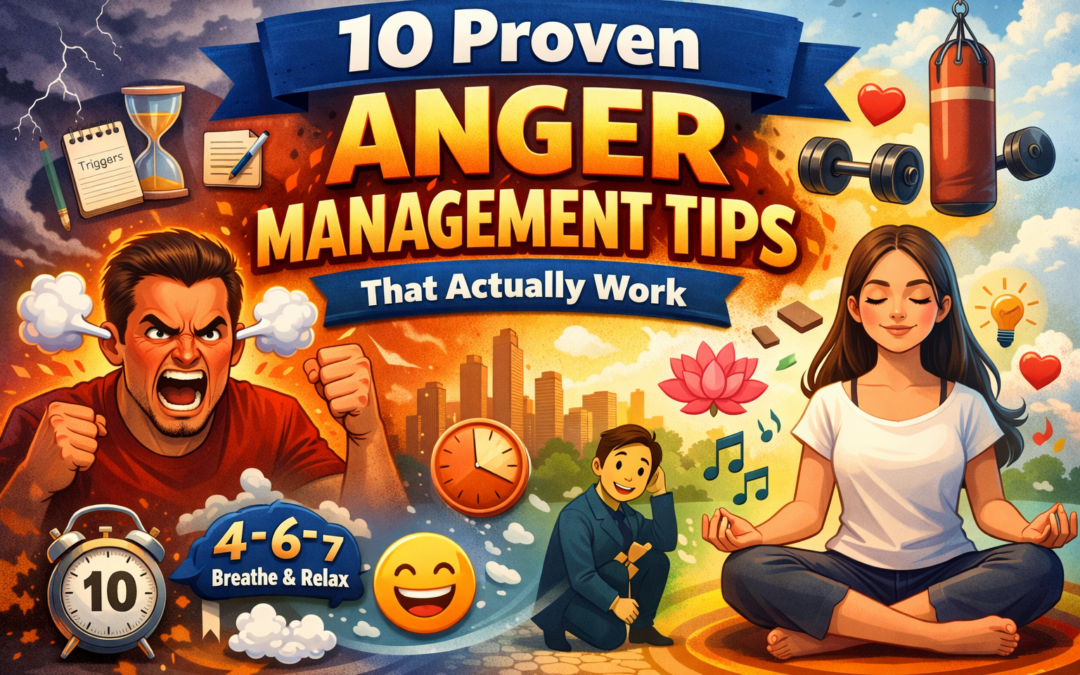
Anger is a natural human emotion; everyone experiences it. But when anger becomes frequent, intense, or uncontrollable, it can negatively impact your relationships, career, and even physical health. Studies show that unmanaged anger can increase stress hormones, blood pressure, and long-term health risks.
The good news? You can learn to manage anger effectively.
In this guide, we’ll explore 10 proven anger management tips that actually work, backed by psychology and real-world strategies. Whether you struggle with sudden outbursts or ongoing frustration, these techniques will help you regain control. If you want more insights about Anger management, you must visit WellU Digital.
What Is Anger Management?
Anger management is the process of recognizing, understanding, and controlling your emotional responses. It doesn’t mean suppressing anger; it means expressing it in a healthy and constructive way.
Uncontrolled anger can:
- Damage relationships
- Affects mental health
- Increase stress and anxiety
- Lead to regretful decisions
That’s why learning how to manage anger is essential for long-term well-being.
Why Managing Anger Is Important
Anger isn’t always bad; it can motivate change. But when it’s unmanaged, it becomes harmful.
Research shows:
- Anger can increase heart rate and blood pressure
- It may impair decision-making
- It can damage personal and professional relationships
In short, anger is normal, but losing control isn’t.
10 Anger Management Tips That Actually Work
1. Think Before You Speak
In moments of anger, people often say things they regret.
Take a pause. Even a few seconds can prevent emotional damage.
Experts recommend:
- Stop
- Breathe
- Then respond
This simple habit can drastically reduce conflict.
2. Practice Deep Breathing
When anger rises, your body goes into “fight mode.”
Slow breathing helps calm your nervous system.
Try this:
- Inhale for 4 seconds
- Hold for 2 seconds
- Exhale for 6 seconds
This reduces emotional intensity almost instantly.
3. Take a Timeout
Stepping away from a situation is one of the most effective strategies.
A short break allows you to:
- Clear your thoughts
- Avoid impulsive reactions
- Regain emotional control
Even 10 minutes alone can make a huge difference.
4. Identify Your Triggers
You can’t fix what you don’t understand.
Common anger triggers include:
- Stress
- Lack of sleep
- Miscommunication
- Unrealistic expectations
Keep a journal to track what causes your anger. Over time, patterns will emerge.
5. Use “I” Statements
Instead of blaming others, express your feelings clearly.
❌ “You never listen!”
✅ “I feel frustrated when I’m not heard.”
This reduces conflict and improves communication.
6. Get Physical Exercise
Exercise is a powerful anger reliever.
Physical activity helps:
- Release built-up tension
- Reduce stress hormones
- Improve mood
Even a short walk can calm your mind quickly.
7. Practice Relaxation Techniques
Relaxation is key to emotional control.
Effective methods include:
- Meditation
- Yoga
- Progressive muscle relaxation
- Listening to calming music
These techniques help you stay grounded during stressful situations.
8. Don’t Hold Grudges
Holding onto anger only hurts you.
Forgiveness doesn’t mean forgetting; it means letting go of emotional burden.
Letting go:
- Reduces stress
- Improves mental health
- Strengthens relationships
9. Use Humor to Diffuse Tension
Humor can quickly reduce anger.
It helps you:
- Gain perspective
- Lighten the mood
- Break negative thinking patterns
Just avoid sarcasm; it can make things worse.
10. Know When to Seek Help
If anger feels uncontrollable, professional help can be life-changing.
Therapies like Cognitive Behavioral Therapy (CBT) help:
- Identify triggers
- Change thought patterns
- Improve emotional responses
Seeking help is not a weakness; it’s a smart step toward growth.
Bonus: Quick Anger Control Techniques
When anger hits suddenly, try these:
- Count to 10 (or 100 if needed)
- Walk away immediately
- Listen to music
- Write down your thoughts
- Talk to a trusted friend
These short-term strategies can stop anger before it escalates.
Common Mistakes to Avoid
Many people unknowingly make anger worse.
Avoid:
- Suppressing emotions
- Exploding later
- Blaming others constantly
- Ignoring underlying issues
Healthy anger management is about balance, not extremes.
Long-Term Strategies for Anger Control
To truly master anger, build daily habits:
✔ Practice Mindfulness
Stay present and aware of your emotions.
✔ Improve Communication Skills
Clear communication prevents misunderstandings.
✔ Manage Stress
Most anger comes from stress overload.
✔ Sleep Well
Lack of sleep increases irritability.
How Anger Management Improves Your Life
When you control anger, you improve:
- Relationships
- Mental clarity
- Physical health
- Decision-making
You become calmer, more confident, and emotionally intelligent.
Final Thoughts
Anger is a natural emotion, but it doesn’t have to control your life.
By applying these proven techniques, you can:
- Stay calm under pressure
- Communicate better
- Build healthier relationships
If you want a deeper guide with practical steps, check out this detailed resource on anger management:
👉 https://welludigital.com/health/anger-management-tips-that-reall-work/