

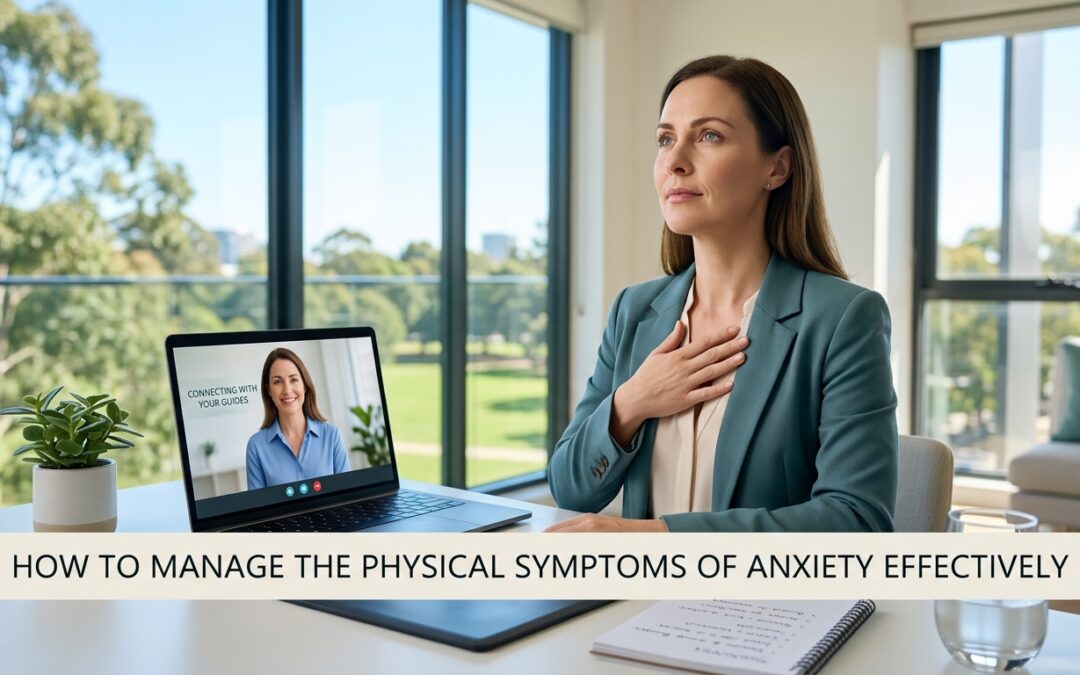
Anxiety doesn’t just affect your thoughts it can take a serious toll on your body too. The physical symptoms of anxiety can feel overwhelming, often mimicking real medical conditions and leaving you unsure of what’s happening. From a racing heart to muscle tension, these symptoms can interfere with daily life if not managed properly. The good news is that with the right strategies and support, you can take control and reduce their impact.
In this guide, we’ll explore practical, evidence-based ways to manage anxiety’s physical effects, especially tailored for Australians seeking convenient telehealth solutions.
Understanding the Physical Symptoms of Anxiety
Before diving into management techniques, it’s important to understand what’s actually happening in your body.
When you experience anxiety, your nervous system activates the “fight or flight” response. This releases stress hormones like cortisol and adrenaline, preparing your body to deal with perceived danger even when there’s no real threat.
Common Physical Symptoms of Anxiety
These symptoms can vary from person to person, but some of the most common include:
- Rapid heartbeat or palpitations
- Shortness of breath
- Chest tightness or pain
- Sweating or hot flushes
- Trembling or shaking
- Muscle tension and aches
- Dizziness or light-headedness
- Digestive issues (nausea, bloating, diarrhoea)
- Fatigue or weakness
While these symptoms are not usually dangerous, they can feel quite alarming and disruptive.
Why Managing Physical Symptoms Matters
Ignoring the physical side of anxiety can lead to a cycle where symptoms worsen over time. For instance, noticing a racing heart might increase fear, which then intensifies the symptom.
Effective management helps you:
- Regain control over your body
- Reduce panic episodes
- Improve sleep and energy levels
- Enhance overall quality of life
1. Learn to Calm Your Breathing
One of the fastest ways to reduce the physical symptoms of anxiety is by controlling your breathing.
When anxious, breathing becomes shallow and rapid, which can lead to dizziness and chest discomfort.
Try This Simple Breathing Technique
- Inhale slowly through your nose for 4 seconds
- Hold your breath for 4 seconds
- Exhale gently through your mouth for 6 seconds
- Repeat for 5–10 minutes
This helps activate the body’s relaxation response and slows down your heart rate.
2. Progressive Muscle Relaxation (PMR)
Muscle tension is a key physical symptom of anxiety. Progressive Muscle Relaxation helps release built-up stress in the body.
How It Works
- Start from your toes and work your way up
- Tense each muscle group for 5 seconds
- Slowly release and relax for 10 seconds
Over time, this technique trains your body to recognise and reduce tension before it becomes overwhelming.
3. Stay Active with Regular Exercise
Exercise is one of the most effective natural remedies for anxiety.
Benefits of Physical Activity
- Reduces stress hormones
- Boosts endorphins (feel-good chemicals)
- Improves sleep quality
- Enhances overall mood
You don’t need an intense workoutsimple activities like:
- Walking along the beach
- Cycling in your local park
- Yoga or stretching at home
Even 20–30 minutes a day can make a significant difference.
4. Improve Your Sleep Routine
Poor sleep can worsen the physical symptoms of anxiety, making your body more reactive to stress.
Tips for Better Sleep
- Stick to a consistent sleep schedule
- Avoid screens before bedtime
- Limit caffeine, especially in the afternoon
- Create a relaxing bedtime routine
Quality sleep helps regulate your nervous system and reduces symptom intensity.
5. Watch What You Eat and Drink
Your diet plays a crucial role in how your body responds to anxiety.
Foods and Substances to Limit
- Caffeine (coffee, energy drinks)
- Alcohol
- Sugary snacks
- Highly processed foods
Foods That Help
- Whole grains
- Leafy greens
- Nuts and seeds
- Omega-3 rich foods (like fish)
Staying hydrated is also key, especially in Australia’s warmer climate.
6. Grounding Techniques for Immediate Relief
When anxiety hits suddenly, grounding techniques can help bring your focus back to the present moment.
The 5-4-3-2-1 Method
- 5 things you can see
- 4 things you can feel
- 3 things you can hear
- 2 things you can smell
- 1 thing you can taste
This method helps interrupt anxious thoughts and reduces physical tension.
7. Cognitive Behavioural Strategies
Your thoughts and physical symptoms are closely linked. By changing how you think, you can reduce how your body reacts.
Key Techniques
- Challenge negative thoughts
- Replace “worst-case scenarios” with realistic ones
- Practise self-compassion
For example, instead of thinking “I’m having a heart attack,” remind yourself “This is anxiety, and it will pass.”
8. Limit Health Anxiety and Over-Googling
It’s tempting to search symptoms online, but this can often make anxiety worse.
What to Do Instead
- Stick to trusted medical advice
- Avoid excessive checking of symptoms
- Speak to a qualified professional
Telehealth services make it easier than ever to get accurate advice without leaving your home.
9. Consider Professional Support
If your symptoms are persistent or severe, seeking professional help is essential.
Benefits of Telehealth in Australia
Telehealth has become a convenient and effective way to access mental health care across Australia.
- No travel required
- Flexible appointment times
- Access to qualified psychiatrists and psychologists
- Comfortable environment (your own home)
Platforms like HelloDoc offer access to experienced professionals who can guide you through personalised treatment plans.
10. Medication (When Needed)
In some cases, medication may be recommended to manage severe physical symptoms of anxiety.
Common Options
- Anti-anxiety medications
- Antidepressants
These should always be prescribed and monitored by a qualified healthcare provider. Telehealth consultations can help determine if medication is suitable for you.
11. Build a Daily Anxiety Management Routine
Consistency is key when managing anxiety.
Sample Daily Routine
Morning
- Light stretching or walk
- Healthy breakfast
- Brief mindfulness exercise
Afternoon
- Balanced meals
- Short breaks from work
- Hydration
Evening
- Relaxation techniques
- Limit screen time
- Wind-down routine before bed
Small daily habits can lead to long-term improvements.
12. Know When to Seek Urgent Help
While anxiety is usually not dangerous, some symptoms can feel severe.
Seek Immediate Medical Attention If You Experience:
- Persistent chest pain
- Difficulty breathing
- Fainting or loss of consciousness
It’s always better to be safe and rule out other medical conditions.
Final Thoughts
Managing the physical symptoms of anxiety is not about eliminating them entirely, it’s about learning how to respond to them in a calm and controlled way. With the right combination of lifestyle changes, mental strategies, and professional support, you can significantly reduce their impact on your life.
For Australians, telehealth services have made it easier than ever to access expert care from the comfort of home. Whether you’re dealing with mild symptoms or more intense experiences, support is always within reach.