

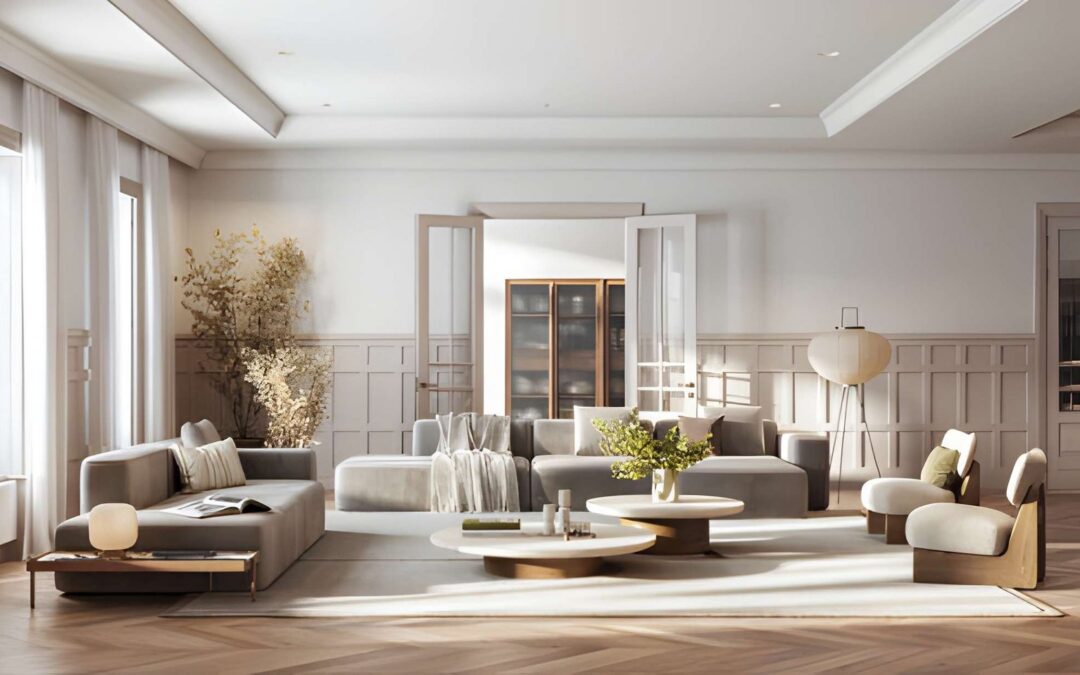
“Modern” is one of the most common labels in furniture retail, and it is applied to a wide range of products. It can describe a design style, a recent manufacturing approach, or simply something that looks current. This guide from JF Homes, a Karachi bedroom furniture brand, explains what Modern Furniture in Karachi usually involves, what to check before buying, and how to decide whether a piece fits your space and daily routine. Where we give reasoning, we show it, so you can test it against your own priorities.
What Does “Modern” Mean in Furniture?
The term has no regulated definition, so it helps to separate design traits from quality. Modern furniture typically shows some of these characteristics:
- Clean lines: Simple, uncluttered shapes with limited ornamentation.
- Restrained palettes: Neutral or muted tones, sometimes with one accent color.
- Functional design: Storage, ergonomics, and proportions that serve a purpose.
- Mixed materials: Wood, metal, glass, and upholstery combined in measured ways.
Our reasoning: These traits describe appearance, not durability. A piece can look modern and be well made or poorly made. Judge the style and the construction separately.
Why Modern Design Can Suit Karachi Homes
Many homes in Karachi, particularly apartments, have limited floor area. Simple silhouettes and built-in storage can make a room feel less crowded, since fewer decorative elements compete for attention. Lighter finishes may also make a room appear brighter, though the effect depends on window placement, ceiling height, and lighting.
Our reasoning: This is a general design principle, not a guarantee. A modern bed in a very small room can still feel cramped if the proportions are wrong. Measure before you decide.
Climate Considerations
Karachi is coastal, warm, and often humid. Wood and wood-based materials absorb and release moisture as conditions change, which can contribute to swelling, warping, or loosened joints over time. Salt in coastal air can also affect exposed metal.
Modern designs often use slim profiles, thin panels, and metal accents, so it is reasonable to ask how these elements are built and finished. No furniture can be promised to be immune to humidity. Placing pieces away from damp walls, leaks, and air-conditioner drip is a sensible precaution.
Materials Commonly Used
Engineered wood and plywood. Common in modern furniture because they allow clean, flat surfaces and consistent finishes. Performance depends on the grade of the board, edge sealing, and the surface coating.
Solid wood. Valued for strength and the possibility of refinishing. It is usually heavier and costlier, and quality varies with species and drying.
Metal frames and accents. Can add strength and a slim look. Check finishes and welds, and consider coastal conditions.
Glass and mirrored elements. Add a light, open feel but need careful handling and regular cleaning.
Upholstery. Consider fabric type, stitching, and the support underneath. Breathable fabrics are often more comfortable in warm weather, while tighter weaves can be easier to maintain.
Our reasoning: No single material is best. The right choice depends on your budget, how heavily the piece will be used, and how willing you are to maintain it.
Modern Bedroom Pieces to Consider
Bedroom furniture is used daily, so it is a practical place to start:
- Platform or low-profile bed: Check slat or base support, headboard stability, and mattress compatibility.
- Wardrobe: Sliding doors can save clearance in narrow rooms, while hinged doors need space to open. Choose based on your layout.
- Floating or compact side tables: Match the height to your mattress and confirm wall mounts, if any, are suitable for your wall type.
- Dresser or chest of drawers: Add one only if the room can accommodate it comfortably.
Our reasoning: Minimal designs rely on proportion and fit. A piece that is the wrong size will look out of place regardless of how modern it is.
How to Inspect Quality Before You Buy
Simple visual and physical checks can reveal weaknesses:
- Press and shake gently. The piece should feel firm and not wobble on level ground.
- Examine the finish. Look for even coating, smooth edges, and no bubbles or rough patches.
- Test moving parts. Drawers and doors should open and close smoothly.
- Look at hidden areas. Backs, undersides, and inside corners show construction care.
- Ask direct questions. A reliable seller should explain materials, dimensions, and care clearly.
Flat, minimal surfaces can make flaws such as uneven edges or finish marks more visible, which makes close inspection worthwhile.
Planning Your Space
- Measure the room, including doorways, corridors, and lift or stairwell access.
- Mark the floor plan with tape or paper to visualize each piece.
- Leave walking space around beds and open doors.
- Keep the look cohesive by limiting the number of finishes and colors, which is a common way to achieve a modern feel.
Judging Value
Prices vary with materials, size, finish, and design complexity. To compare fairly:
- Ask what is included, such as delivery, assembly, and after-sales support.
- Request key details in writing, including dimensions and materials.
- Compare similar pieces on construction rather than appearance alone.
- Spend more on items used daily and less on occasional ones.
Our reasoning: A modern look is available at many price points, so appearance alone says little about value.
Care Tips
- Wipe spills promptly and avoid harsh chemicals unless the maker recommends them.
- Keep furniture away from standing moisture and prolonged direct sunlight.
- Dust regularly with a soft cloth.
- Tighten screws occasionally if they loosen.
- Allow airflow behind large wardrobes against exterior walls.
These habits can help but cannot guarantee a particular lifespan.
Planning Through the End of 2027
If you are furnishing a home gradually, a staged plan through the end of 2027 can spread cost and reduce risk. You might begin with the bed and storage, then add accent pieces after seeing how the room works in daily life. Because modern interiors rely on a consistent look, choosing a simple palette early can make later additions easier to match. At JF Homes, our aim is to help you make informed choices, not to encourage you to buy more than you need. Contact us or visit to discuss your room, budget, and preferences, and to confirm current availability and details for any piece you are considering.
Frequently Asked Questions
How do I choose modern furniture for a small bedroom in Karachi?
Measure the room and mark each piece’s footprint on the floor. Choose simple shapes, leave clear walking space, and consider storage-integrated designs if they are sturdy and easy to use.
What materials work well for modern furniture in Karachi’s humid climate?
There is no single best option. Well-finished engineered wood, solid wood, and treated metal can all work with proper care. Ask about board grade, edge sealing, and finishes, and keep furniture away from moisture.
Why does construction matter as much as style in modern furniture?
Style is visible immediately, but construction determines how a piece handles daily use. Firm joints, smooth hardware, and an even finish reduce the chance of wobbling or visible wear.
How can I keep modern furniture looking good over time?
Clean spills quickly, avoid prolonged direct sunlight and damp areas, dust regularly, and tighten loose screws. These steps help but cannot guarantee a specific lifespan.
What should I ask a seller before buying modern furniture?
Ask about materials, dimensions, finishing, delivery, assembly, and after-sales support. Request important terms in writing so you can compare options clearly.