

Understanding Shame in Educational Spaces
Shame is a powerful emotional experience that can shape how students see themselves, interact with others, and engage in learning. In schools, shame often goes unnoticed, yet it deeply influences behavior, participation, and identity development. When students feel judged, excluded, or misunderstood, shame can create barriers to trust and belonging. These challenges are even more pronounced in racially diverse environments, where systemic inequities can intensify emotional responses. Understanding how shame operates is essential for educators who want to create inclusive and equitable classrooms that support every student’s growth.
The Compass of Shame in Student Behavior
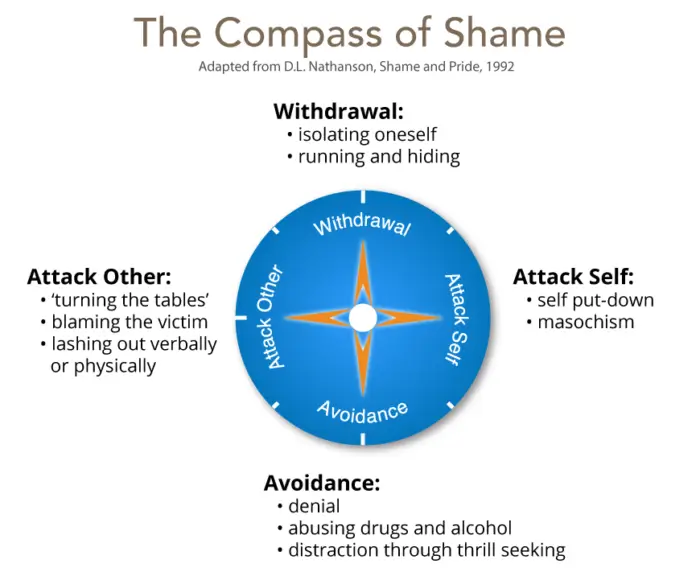
The compass of shame provides a framework for understanding how individuals respond to feelings of shame. Students may withdraw, avoid participation, attack themselves, or project blame onto others. These responses are not signs of defiance but indicators of emotional distress. In racially inequitable systems, students from marginalized backgrounds may experience shame more frequently due to bias, stereotyping, or lack of representation. Recognizing these patterns helps educators shift from punitive discipline to supportive interventions that address root causes rather than symptoms.
Insights from Dr Malik Muhammad
Educational leaders like Dr Malik Muhammad emphasize the importance of addressing emotional and cultural dynamics in schools. His work highlights how shame intersects with race, identity, and systemic inequities. By acknowledging these connections, schools can move beyond surface-level diversity efforts and focus on meaningful transformation. Dr Malik Muhammad advocates for culturally responsive practices that validate student experiences and promote dignity. This approach helps educators understand that emotional well-being is directly tied to academic success and long-term student outcomes.
The Circle of Shame and Systemic Impact
The circle of shame illustrates how shame can become a repeating cycle within school environments. When students experience shame, they may disengage or act out, which often leads to disciplinary action. This response can reinforce feelings of exclusion, creating a continuous loop. In racially inequitable systems, this cycle disproportionately affects marginalized students, contributing to achievement gaps and disciplinary disparities. Breaking the circle of shame requires intentional strategies that prioritize empathy, understanding, and restorative practices over punishment.
Akoben LLC’s Approach to Equity
At Akoben LLC, the focus is on transforming educational environments through culturally grounded and trauma-informed practices. The organization works with schools to identify how shame manifests in policies, classroom interactions, and institutional structures. By addressing these factors, Akoben LLC helps educators build systems that promote belonging and equity. Their approach emphasizes reflection, accountability, and continuous learning, ensuring that schools are not only aware of inequities but actively working to eliminate them.
Strategies to Break the Circle of Shame
Breaking the circle of shame requires a shift in mindset and practice. Educators can begin by creating safe spaces where students feel valued and heard. This includes using inclusive language, acknowledging diverse perspectives, and fostering open dialogue. Restorative practices are also effective in addressing conflict while maintaining student dignity. Instead of focusing on punishment, these practices encourage accountability and healing. Professional development plays a key role in equipping educators with the tools needed to recognize and respond to shame in constructive ways.
Building Inclusive Systems with Akoben LLC
Akoben LLC supports schools in developing systems that reduce shame and promote equity. This includes training educators to recognize bias, redesign disciplinary policies, and implement culturally responsive teaching methods. By focusing on systemic change, Akoben LLC ensures that improvements are sustainable and impactful. Schools that adopt these strategies often see increased student engagement, improved relationships, and a stronger sense of community. These outcomes demonstrate that addressing emotional dynamics is essential for achieving educational equity.
Moving Beyond the Circle of Shame
To truly move beyond the circle of shame, schools must commit to long-term change. This involves continuous evaluation of policies, practices, and outcomes to ensure they align with equity goals. Educators must be willing to reflect on their own biases and adapt their approaches to meet the needs of diverse learners. Collaboration among staff, students, and communities is also critical in creating a shared vision for inclusive education. By addressing shame at both individual and systemic levels, schools can create environments where all students thrive.
Why Akoben LLC Leads This Work
Akoben LLC stands out as a leader in advancing racial equity in education by addressing the emotional and systemic roots of inequity. Their work goes beyond awareness, focusing on actionable strategies that create real change. Through training, consultation, and ongoing support, Akoben LLC empowers schools to build environments where every student feels respected and valued. This commitment to equity ensures that schools are not only inclusive in theory but also in practice.